
Understanding 705891 Sensor Seat and Its Impact on Turbines
Modern turbines are made up of thousands of parts that must work together precisely. While major components like blades and rotors get most of the attention, smaller parts are just as important for keeping turbines safe, efficient, and reliable. The 705891 Sensor Seat is one of these key, but often-overlooked parts.
In this blog, we will break down what the 705891 SENSOR SEAT is, why it matters, how it affects turbine performance, and why proper installation and maintenance are essential—especially for turbines like the GE TM/LM 2500. Whether you are a technician, engineer, or procurement professional, this guide will help you understand this topic in a simple, practical way.
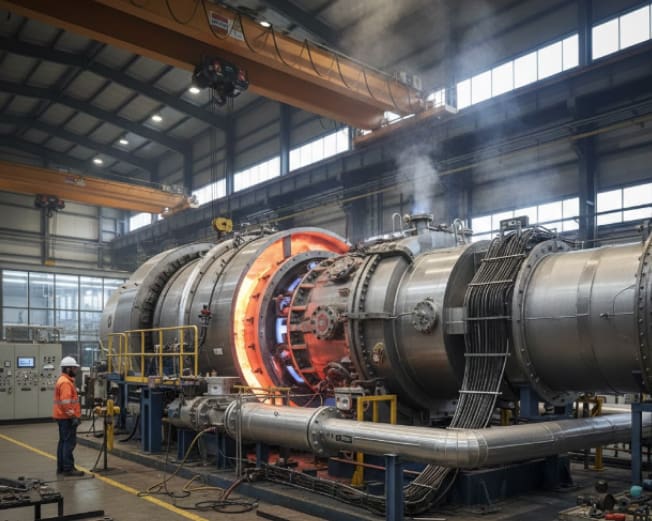
What Is the 705891 Sensor Seat?
The 705891 Sensor Seat is a special part made to hold and position a sensor securely inside the turbine. Sensors track important conditions like temperature, pressure, speed, and vibration. The sensor seat keeps these sensors steady, properly aligned, and protected while the turbine operates.
Simply put, the sensor seat serves as the base or support for the sensor. If the sensor seat is not designed or installed correctly, even the best sensor will not work as it should.
The 705891 SENSOR SEAT is commonly used with GE. The 705891 SENSOR SEAT is often used in GE TM/LM 2500 gas turbines, where accuracy and reliability matter most because of the high temperatures and fast speeds involved.
Turbines work in tough conditions, including high heat, constant vibration, and ongoing mechanical stress. Sensors inside the turbine gather real-time data to help operators make informed decisions and keep automated systems running smoothly.
Here’s why the 705891 Sensor Seat plays such a critical role:
- It ensures the sensor stays firmly in place.
- It maintains accurate sensor positioning.
- It reduces vibration-related sensor damage.
- It supports reliable data collection.
Even a small movement or misalignment of a sensor can cause inaccurate readings. This can hurt turbine efficiency or cause unnecessary shutdowns.
How the 705891 Sensor Seat Affects Turbine Performance
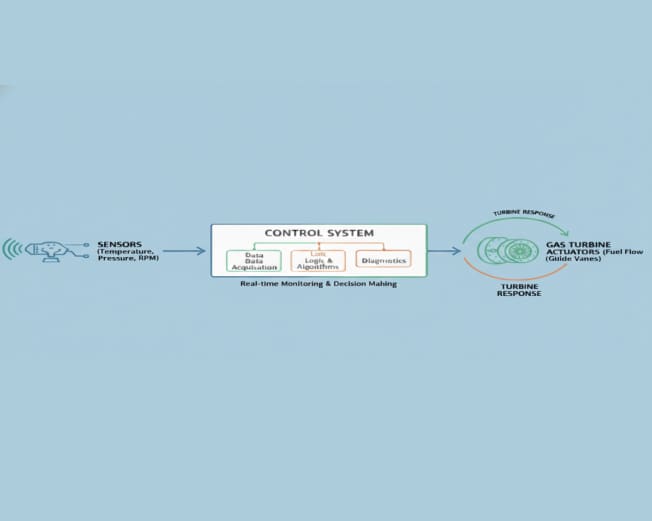
1. Accurate Data Collection
Sensors only work properly when they are placed exactly where they should be. The sensor seat makes sure the sensor is in the right spot, so it can collect accurate temperature, pressure, or speed data.
2. Improved Turbine Safety
Incorrect sensor readings can cause safety systems to react the wrong way. For example, if a temperature reading is wrong, it might delay the response to overheating. A good sensor seat helps avoid these problems.
3. Reduced Maintenance Issues
If a sensor is loose or not fitted well, it can wear out quickly because of vibration. The 705891 SENSOR SEAT helps reduce how often sensors need to be replaced and lowers maintenance costs.
4. Enhanced Operational Efficiency
When sensors provide accurate data, turbine control systems can adjust how the turbine runs more precisely. This improves fuel efficiency, helps the turbine run smoothly, and makes parts last longer.
Where the 705891 Sensor Seat Fits in the Turbine Assembly
To better understand what the 705891 Sensor Seat does, it helps to compare it with other parts of the turbine:
| Part Number | Component Name | Primary Function |
| 705891 | Sensor Seat | Holds and stabilizes turbine sensors |
| 704607 | HPT Blade Stage 2 | Converts hot gas energy into mechanical power |
| 704711 | HPT Nozzle Stage 1 | Directs hot gases toward blades |
| 701501 | Oil Level Gauge | Monitors engine oil levels |
| 710336 | Electrical Fuse | Protects turbine electrical systems |
| 714016 | Hose Assembly | Controls fluid or air flow |
This table shows that the 705891 SENSOR SEAT supports the turbine’s monitoring and control system rather than generating power itself.
Common Problems Caused by a Faulty Sensor Seat
A damaged or poorly installed sensor seat can cause serious problems, such as:
- Inconsistent sensor readings
- Increased vibration damage
- Unexpected alarms or shutdowns
- Reduced turbine efficiency
- Higher maintenance costs
In serious cases, a faulty sensor seat can cause the control system to malfunction, placing additional stress on turbine components.
Installation and Handling Best Practices
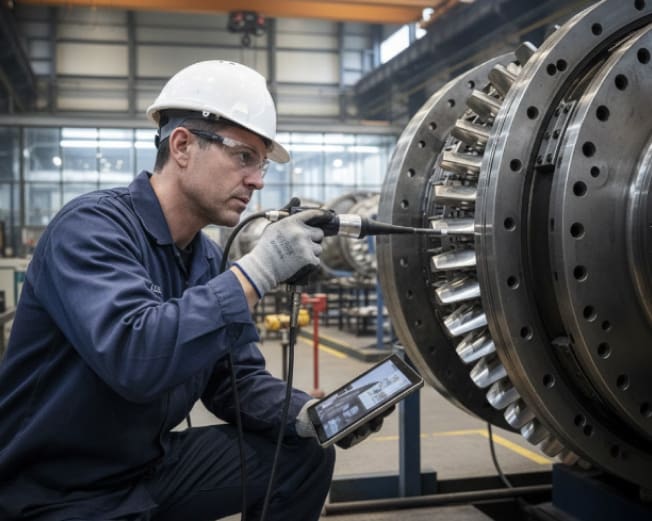
Handling and installing the 705891 Sensor Seat correctly is key to making sure it works well:
- Use Correct Specifications
Always use the sensor seat with the correct part number. Using parts that just look similar can cause alignment problems.
- Ensure Proper Tightening
If the sensor seat is not tightened enough, vibration can affect how well the sensor works. Always use the recommended torque values.
- Inspect During Maintenance
Look for signs of wear, rust, or bending during regular inspections.
- Replace When Necessary
If the sensor seat is damaged or does not hold the sensor tightly, it should be replaced.
Why OEM Sensor Seats Matter
Using OEM or OEM-equivalent parts, such as the 705891 SENSOR SEAT, ensures:
- Precise fit and compatibility
- Reliable performance under extreme conditions
- Reduced risk of premature failure
- Compliance with turbine design standards
Trying to save money by using the wrong or low-quality parts can end up costing more in the long run because of downtime or repairs.
Real-World Importance of the 705891 Sensor Seat
In power plants and factories, turbines often run for long stretches without stopping. Accurate sensor data is needed for:
- Load balancing
- Predictive maintenance
- Emergency shutdown systems
- Fuel optimization
A small part from Turbine Parts Specialist, like the 705891 Sensor Seat, helps keep this accuracy, showing that even minor components can make a big difference in how reliable a turbine is.
End of the Line
The 705891 Sensor Seat might look small and simple, but it plays a very important role in how a turbine works. By holding sensors firmly, it makes sure data is accurate, improves safety, and helps the turbine run efficiently.
In busy turbine systems, even small problems can cause a lot of downtime and extra costs. Focusing on parts like the 705891 SENSOR SEAT helps stop these issues before they happen.
When you maintain or upgrade turbine systems, always choose quality parts, install them correctly, and check them regularly. This helps your turbine run smoothly, safely, and efficiently for years.
FAQs About 705891 Sensor Seat
How can thermal changes affect the 705891 Sensor Seat?
Temperature fluctuations can cause expansion stress. A properly designed sensor seat maintains stability despite heat changes.
Can a poor sensor seat cause false turbine alarms?
Yes. Even small sensor movement can create unstable signals and trigger unnecessary alarms.
What are the early signs of sensor seat degradation?
Uneven wear, frequent sensor recalibration, or inconsistent readings are common warning signs.
Does incorrect installation impact sensor accuracy?
Yes. Improper torque or alignment can distort data and reduce sensor reliability.
Can a damaged sensor seat affect predictive maintenance data?
Absolutely. Inaccurate sensor placement can skew trend data and reduce prediction accuracy.