
958578 Motor Starter for Turbine Protection and Control Systems
Starting a turbine may seem as simple as pressing a button, but the process is actually carefully managed. Precision, timing, and protection are more important than speed. Even minor issues during startup can cause expensive downtime, equipment damage, or safety hazards.
The 958578 Motor Starter plays a crucial role in this process.This guide explains what a motor starter does, how turbine starting systems work, and why the 958578 Motor Starter is important for turbines. It also covers its benefits, the problems it solves, maintenance tips, safety advice, and real-world examples, all in straightforward language.
What Is a Motor Starter?
A motor starter is an electrical device used to start, stop, and protect electric motors. Rather than sending full power right away, it controls the amount of electricity reaching the motor during startup.
Key Components of a Motor Starter
- A contactor is like a main switch. It turns the motor on and off.
- An overload relay protects the motor. If the motor starts to overheat or work too hard, it turns the motor off to prevent damage.
- The control circuit acts as the system’s brain. It controls how the motor starts and stops.
- Motor starters are essential for large machines such as turbines. Without proper control, starting these machines suddenly can cause serious damage to the equipment.
Overview of Turbine Starting Systems
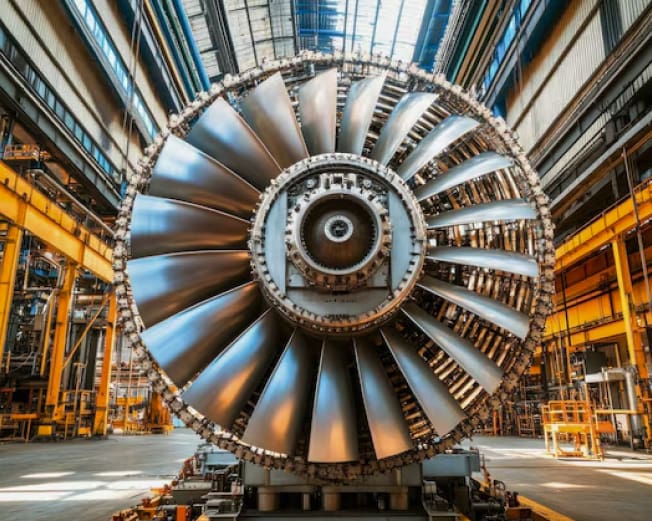
Turbines cannot start by themselves. They need an outside force to reach a certain speed before combustion or normal operation can begin.
Common Turbine Starter Types
| Starter Type | Description |
| Electric Starter | Uses an electric motor to rotate the turbine |
| Pneumatic Starter | Uses compressed air |
| Hydraulic Starter | Uses pressurized fluid |
In electric starting systems, motor starters such as the 958578 are key for managing power delivery and keeping the system safe.
Understanding the 958578 Motor Starter
The 958578 Motor Starter is built for demanding turbine applications, where reliability and accuracy are critical.
Key Characteristics
- Built for turbine-grade performance
- Compatible with industrial control systems
- Designed to handle high startup loads
- Provides enhanced motor protection
You’ll often find it in power plants, industrial turbines, and support systems.
Role of the 958578 Motor Starter in Turbine Operations
The main purpose of the 958578 Motor Starter is to ensure turbine startup is safe, smooth, and controlled.
What It Does:
- Supplies controlled torque to start turbine rotation
- Prevents sudden electrical surges
- Protects motors and turbine components
- Supports automated startup sequences
Without a reliable motor starter, starting a turbine can become unpredictable and risky.
Key Benefits of Using the 958578 Motor Starter
Choosing the right motor starter from a trusted provider like Turbine Parts Specialist LLC can greatly improve turbine performance.
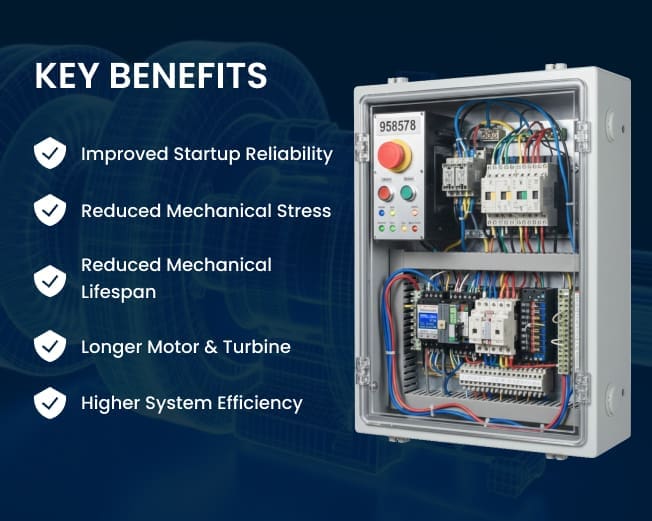
Major Benefits Include:
- Improved startup reliability
- Reduced mechanical stress
- Longer motor and turbine lifespan
- Better protection against overloads
- Higher system efficiency
Comparison Table: 958578 vs Standard Motor Starters
| Feature | 958578 Motor Starter | Standard Motor Starter |
| Application | Turbine-specific | General-purpose |
| Startup Control | Smooth & controlled | Basic on/off |
| Protection Level | Advanced | Basic |
| Reliability | High | Moderate |
Common Challenges and How the 958578 Motor Starter Solves Them
Common Turbine Startup Challenges:
- Voltage fluctuations
- High inrush current
- Thermal stress
- Startup failures
The 958578 Motor Starter addresses these issues by:
- Limiting current during startup
- Monitoring temperature and load
- Providing protective shutdowns when needed
This helps reduce failures and downtime.
Maintenance Best Practices for Long-Term Performance
Regular maintenance is important, even for the best motor starter.
Recommended Practices
- Routine visual inspections
- Electrical and thermal testing
- Checking contactors and wiring
- Following manufacturer maintenance schedules
Doing preventive maintenance helps you find problems early and avoid sudden shutdowns.
Safety Considerations in Turbine Motor Starting
Safety is always a top priority in turbine operations.
Key Safety Measures:
- Proper installation by qualified professionals
- Use of protective relays and interlocks
- Compliance with industry standards
- Operator training and monitoring
The 958578 Motor Starter improves safety by making sure startup is controlled and predictable.
Real-World Applications of the 958578 Motor Starter
This motor starter is commonly used in:
- Power generation plants
- Industrial processing facilities
- Backup and emergency turbine systems
- Auxiliary turbine equipment
In these settings, reliability and uptime are crucial, making the 958578 a great choice.
Future Trends in Turbine Motor Starter Technology
Motor starters are changing as technology advances. Rising Trends Include:
- Smart monitoring and diagnostics
- Integration with digital control systems
- Energy-efficient startup solutions
- Predictive maintenance using data analytics
In the future, turbine startup systems will become smarter, safer, and more efficient.

Why the 958578 Motor Starter Matters
Turbine performance is not just about size or power; it also depends on safe and reliable startup. The 958578 Motor Starter is key to smooth turbine startup, protecting equipment, and keeping operations efficient.
When operators choose the right motor starter, they can cut downtime, boost safety, and help their turbine systems last longer. That’s why the 958578 Motor Starter is a smart and reliable choice for today’s turbine operations.
Frequently Asked Questions
What is the main purpose of the 958578 Motor Starter?
Its main purpose is to safely start turbine motors by controlling electrical current, reducing stress, and protecting system components.
Is the 958578 Motor Starter suitable for all turbines?
It is best suited for turbines that require controlled electric startup and high reliability, especially in industrial and power generation environments.
How does it improve turbine reliability?
By minimizing startup stress, preventing overloads, and reducing the risk of startup failures.
Does it require frequent maintenance?
No, but regular inspections and preventive maintenance are recommended for optimal performance.
Can it integrate with modern turbine control systems?
Yes, it is designed to work seamlessly with industrial automation and control systems.