
What are Bearing Rod Ends & How are they Used?
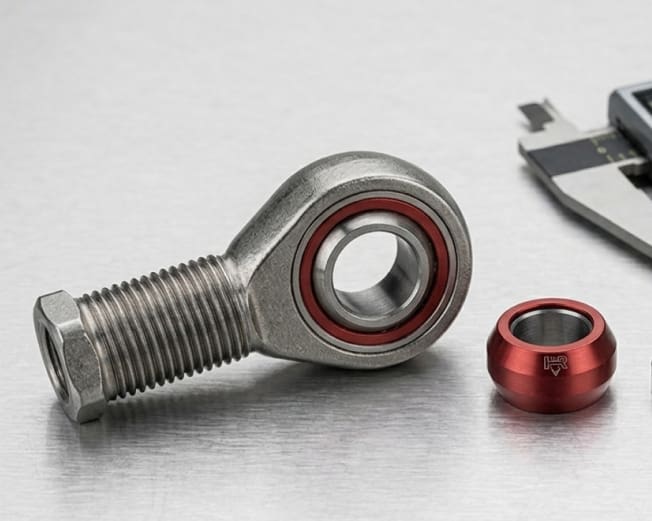
When working with mechanical systems especially in turbines, aerospace, or heavy machinery, you often hear about components that “keep everything aligned” or “allow controlled movement.” One of the most important among them is the bearing rod end.
But what exactly is a bearing rod end, and more importantly, how is it actually used in real-world applications like turbine assemblies or parts such as 1336M28P01 bearing rod end ?
This blog is designed to answer that clearly and practically. It explains what they are, how they function, and where they are used, so you can see their importance in keeping systems running smoothly and reliably.
At Turbine Parts Specialist, we regularly deal with high-performance components, and we know that understanding small parts like rod ends can make a big difference in system reliability and efficiency.
What Exactly Is a Bearing Rod End?
A bearing rod end is a mechanical joint designed to connect two parts while still allowing movement between them. Unlike rigid connections, it offers flexibility, allowing both rotational and angular motion without losing alignment.
It combines:
- A spherical bearing (ball joint)
- A threaded rod (male or female)
- A housing that holds everything together
Why this matters:
Instead of forcing rigid connections, rod ends allow flexibility where movement is necessary—without compromising strength.
How Bearing Rod Ends Actually Work
The working principle of a bearing rod end is straightforward but highly effective.
Inside the housing is a spherical ball that can rotate in multiple directions. This allows the connected parts to move and adjust without creating stress at the joint. The threaded rod connects the joint to other components, transferring force while still allowing flexibility.
As a result, even with slight misalignment or continuous movement, the system continues to operate smoothly. This is especially important in high-performance environments where rigid connections would quickly lead to wear or failure.
At Turbine Parts Specialist, we often see how a properly functioning rod end can significantly reduce mechanical strain and improve overall system stability.
Where Are Bearing Rod Ends Used?
Understanding where bearing rod ends are used helps you see why they are so important.
1. Turbine Systems (Including 1336M28P01)
First, in turbine assemblies, precision is everything. Components must work together under high pressure, temperature, and vibration.
Bearing rod ends are commonly used in:
- Control linkages
- Actuator systems
- Fuel and airflow mechanisms
Furthermore, their role is to maintain alignment while allowing controlled movement. In parts like 1336M28P01, even a small misalignment can affect performance, which is why these joints are so critical.
At Turbine Parts Specialist LLC, we regularly support turbine systems where selecting the right rod end directly impacts efficiency and reliability.
2. Aerospace Applications
Next…in aerospace systems, safety and precision go hand in hand.
Rod ends are used in:
- Flight control systems
- Engine linkages
- Landing gear assemblies
They allow movement without putting stress on the structure, ensuring both flexibility and strength in critical operations.
They allow movement without putting stress on the structure, ensuring both flexibility and strength in critical operations.
3. Industrial Machinery
In industrial environments, machinery is constantly in motion.
Bearing rod ends are found in:
- Hydraulic systems
- Automation equipment
- Conveyor mechanisms
Additionally, they help absorb shock, reduce wear, and keep systems running smoothly over long periods.
4. Automotive Systems
In automotive and performance setups, rod ends are used in:
- Suspension systems
- Steering linkages
- Racing components
They improve handling and provide the flexibility needed for dynamic movement.
Quick Overview: Where and Why They’re Used
| Turbines | Linkages & actuators | Precision under stress |
| Aerospace | Control systems | Safe, flexible movement |
| Industrial | Moving machinery | Shock absorption |
| Automotive | Suspension & steering | Smooth performance |
Types of Bearing Rod Ends
Not all rod ends serve the same purpose. Choosing the right type depends on how and where it will be used.
| Male Rod End | Fixed connections | Easy installation with external threads |
| Female Rod End | Adjustable systems | Better flexibility with internal threads |
| Heavy-Duty | Turbines & industrial use | Handles high loads |
| Precision Rod End | Aerospace systems | High accuracy, minimal tolerance |
At Turbine Parts Specialist, we help identify the right type for specific applications, especially for high-performance components like 1336M28P01.
How to Choose the Right Bearing Rod End
Selecting the right rod end is not just about fit—it’s about performance and durability.
In the same way, start by understanding the load requirements. High-load environments need heavy-duty rod ends, while precision systems require tighter tolerances. Next, consider how much movement or misalignment the joint needs to handle. Material selection is also important, especially in environments exposed to heat, corrosion, or stress.
Finally, make sure the thread type matches your system design.
If you’re unsure, we at Turbine Parts Specialist guide you through the selection process to ensure you get a component that performs reliably in your specific application.
Common Mistakes to Avoid
Mistake 1: Treating Rod Ends as “Standard Parts”
Because not all rod ends are interchangeable—wrong selection = failure.
Mistake 2: Ignoring Misalignment Needs
Another one is if the angle exceeds design limits → premature wear.
Mistake 3: Choosing Low-Quality Components
Cheap parts fail faster—especially in turbine systems.
At Turbine Parts Specialist, we’ve seen how proper selection prevents downtime and saves thousands in repairs.
Why Bearing Rod Ends Are So Important
According to a Turbine Parts Specialist, without bearing rod ends, systems would rely on rigid connections that can’t handle movement or misalignment. This leads to increased stress, faster wear, and reduced lifespan of components.
With rod ends in place, movement becomes controlled, loads are distributed more evenly, and systems operate more efficiently.
That’s why in assemblies involving parts like 1336M28P01, these components are not just useful—they are essential for reliability.
Closing Remarks
Bearing rod ends may seem like small components, but their role is significant. They allow movement, maintain alignment, and support systems under demanding conditions.
From turbines to aerospace and industrial machinery, their function remains the same—ensuring everything works smoothly without unnecessary stress or failure.At Turbine Parts Specialist, we don’t just provide quality components; we help ensure every part, including bearing rod ends, contributes to the performance and longevity of your system.
FAQs
Q1. What is the main purpose of a bearing rod end?
It connects components while allowing controlled movement and maintaining alignment.
Q2. Where are bearing rod ends commonly used?
They are used in turbines, aerospace systems, industrial machinery, and automotive applications.
Q3. Why are they important in parts like 1336M28P01?
They help maintain alignment and allow movement under high stress and vibration.
Q4. How do I choose the right rod end?
Consider load, material, movement requirements, and thread type.
Q5. Do bearing rod ends need maintenance?
Yes, regular inspection and lubrication help extend their lifespan.
Q6. Can the wrong rod end cause system failure?
Yes, incorrect selection can lead to wear, misalignment, and costly breakdowns.