
Locking Rings Essential Components for Industrial Assembly
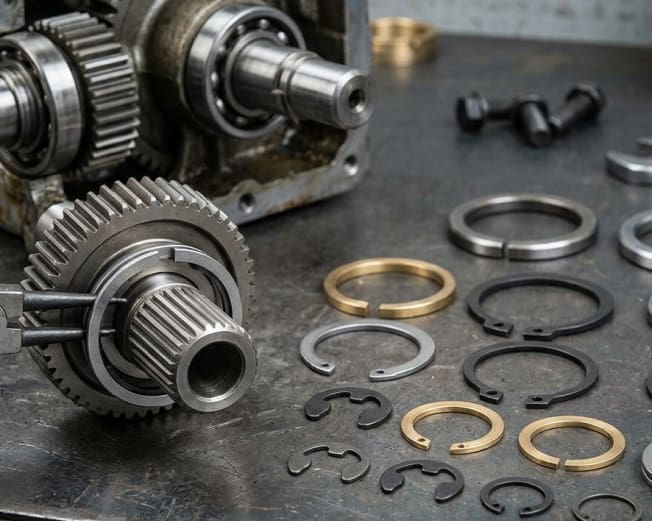
Locking rings may seem like small components, but in industrial assembly, they play a massive role in ensuring stability, safety, and long-term performance. In fact, in high-pressure environments like gas turbines, heavy machinery, and rotating systems, even a minor failure can quickly lead to serious operational issues. That’s exactly why components like locking rings are not optional; they’re absolutely essential.
Moreover, these precision-engineered parts are specifically designed to secure components in place, prevent unwanted movement, and maintain alignment under extreme conditions. So, whether you’re planning routine maintenance or looking for a 28903 lock ring replacement, understanding how these components work can help you avoid costly downtime and improve overall system efficiency.
What Are Locking Rings?
To put it simply, locking rings also known as retaining rings are fasteners used to hold components onto shafts or inside housings. They fit neatly into a groove and act as a barrier, preventing parts from slipping or shifting during operation.
Because of this functionality, you’ll commonly find them in:
- Gas turbine systems
- Automotive assemblies
- Heavy industrial machinery
- Gearboxes and rotating equipment
Among these, the 28903 retaining lock ring is widely used. This is mainly because it offers a strong grip, a precise fit, and reliable performance even in the most demanding applications.
Why Locking Rings Matter in Industrial Assembly
Now that we understand what locking rings are, let’s take a closer look at why they are so important in real-world applications.
Prevent Component Movement
First of all, locking rings keep parts like bearings and gears securely in place. As a result, they ensure proper alignment and smooth operation.
Improve Safety
In addition, loose components can cause serious damage or even system failure. A heavy duty 28903 lock ring, therefore, plays a key role in minimizing these risks.
Reduce Maintenance Costs
Not only that, but replacing a locking ring is far more affordable than repairing major machinery damage caused by misalignment.
Handle Extreme Conditions
Finally, from high temperatures to constant vibration, locking rings are built to perform under pressure, especially in turbine environments where reliability is critical.
Types of Locking Rings Used in Industry
When it comes to choosing the right locking ring, understanding the different types can make a big difference. So, here’s a quick and simple breakdown:
| Internal Lock Rings | Inside housings | Secures parts within bores |
| External Lock Rings | On shafts | Prevents movement on rotating shafts |
| Heavy-Duty Lock Rings | Industrial machinery | High strength and durability |
| Wheel Lock Rings | Vehicles & heavy equipment | Ensures wheel safety |
| Retaining Lock Rings | General assembly | Stops axial movement |
For example, the 28903 wheel lock ring is commonly used in heavy-duty vehicle systems where secure wheel placement is absolutely critical.
Deep Dive: 28903 Lock Ring
When we talk about reliability and strength, the 28903 lock ring stands out as a preferred choice in many industrial applications.
Key Features:
- High tensile strength
- Precision manufacturing
- Resistance to wear and corrosion
- Suitable for high-speed and high-load systems
Because of these features, it is widely used not only for new installations but also for 28903 lock ring replacement, making it a versatile and dependable component across industries.
Applications in Industrial and Turbine Systems
Moving forward, let’s look at where locking rings are actually used.
Locking rings are critical in systems where both stability and precision are essential. For instance, they are commonly used in:
- Shaft assemblies
- Bearing retention
- Rotor systems
- Couplings and gear assemblies
Especially in gas turbine setups, components must operate under extreme stress and high temperatures. This is where trusted suppliers like Turbine Parts Specialist play a vital role by providing reliable parts that meet strict industry standards.
As a result, using a high-quality 28903 retaining lock ring ensures that turbine systems continue to operate efficiently without unexpected failures.
How to Choose the Right Lock Ring
If you’re planning to buy a 28903 lock ring online, it’s important to make the right choice. So, here are a few key factors to consider:
1. Correct Size and Fit
To begin with, precision matters. Always match the exact dimensions required for your system.
2. Material Quality
Next, choose corrosion-resistant and high-strength materials to ensure long-term durability.
3. Load Capacity
Additionally, for demanding applications, a heavy duty 28903 lock ring is the best option.
4. Supplier Reliability
Finally, buying from trusted providers like Turbine Parts Specialist ensures product quality, reliability, and performance.
When Should You Replace a Lock Ring?
Even though locking rings are durable, they don’t last forever. Over time, wear and tear can affect their performance.
So, watch for these signs:
- Visible deformation or cracks
- Corrosion or rust
- Loose fit in the groove
- Reduced holding strength
If you notice any of these issues, a timely 28903 lock ring replacement can help prevent major system failures and costly repairs.
Benefits of Buying Lock Rings Online
Nowadays, many professionals prefer to buy 28903 lock rings online and for good reason.
Here’s why:
- It allows quick comparison of specifications
- You get access to certified products
- Bulk ordering becomes easier
- It saves both time and effort
On top of that, with suppliers like Turbine Parts Specialist, you also get assurance of quality and compatibility with industrial systems.
Why Quality Makes All the Difference
At this point, it’s clear that even a small component like a locking ring can have a big impact.
In industrial environments, one low-quality part can lead to significant downtime. That’s why quality should never be compromised.
A high-quality locking ring:
- Enhances system performance
- Reduces maintenance frequency
- Improves operational safety
- Extends equipment lifespan
For this reason, professionals consistently rely on Turbine Parts Specialists for dependable and high-performance components.
Wind Up
To sum it up, locking rings may be small in size, but they are absolutely essential for the smooth functioning of industrial systems. From securing critical components to ensuring safety and efficiency, their role cannot be overlooked.
The 28903 lock ring, in particular, stands out as a reliable and versatile solution for heavy-duty applications. So, whether you need a new installation or a 28903 lock ring replacement, choosing the right product and the right supplier is key to long-term success.
Upgrade Your Industrial Performance with Reliable Locking Rings
Don’t let a small component cause big problems.
Choose high-quality locking rings from Turbine Parts Specialist for reliable performance in demanding environments.
✔ Trusted industrial-grade components
✔ Perfect fit for turbine systems
✔ Easy option to buy 28903 lock ring online
Upgrade your system today with a durable 28903 retaining lock ring and ensure smooth, safe operations.
FAQs
What is a 28903 lock ring used for?
It is used to secure components on shafts or inside housings, preventing unwanted movement.
When should I replace a locking ring?
You should consider a replacement if there are signs of wear, corrosion, deformation, or a loose fit.
Are retaining lock rings suitable for heavy-duty applications?
Yes, retaining lock rings are designed to handle high loads and are widely used in demanding industrial environments.
Can I buy lock rings online?
Yes, you can easily purchase lock rings online from trusted suppliers that offer certified industrial components.
What is a wheel lock ring used for?
A wheel lock ring is used to secure wheels in heavy machinery and vehicles, ensuring safety and proper alignment.
Why choose a heavy-duty locking ring?
A heavy-duty locking ring provides better strength, durability, and reliability for high-performance and demanding applications.