
Top Benefits of Alarm Notification System in Manufacturing
In today’s fast-paced manufacturing environment, even a small delay or unnoticed issue can lead to major losses. That’s where an alarm notification system becomes essential. These systems are designed to instantly alert operators, engineers, and safety teams when something goes wrong, whether it’s equipment failure, overheating, pressure imbalance, or safety risks.
From improving response time to preventing costly downtime, modern solutions like the 8001442 alarm module and advanced alarm monitoring module setups are helping industries operate smarter and safer. In this blog, we’ll break down the real-world benefits of alarm systems in manufacturing in a simple, human way so you can understand why they matter and how they make a difference.
What is an Alarm Notification System?
An alarm notification system in manufacturing is a setup of devices and software that detects abnormal conditions and immediately alerts the right people.
These systems typically include:
- Industrial alarm module
- Fire alarm module unit
- Security alarm control module
- Monitoring dashboards or software
For example, if a machine overheats, the alarm monitoring module sends alerts through sound, lights, or even SMS/email notifications so action can be taken quickly.
Why Alarm Systems Are Important in Manufacturing
Manufacturing plants run complex operations 24/7. Without proper monitoring, small issues can turn into big problems.
Here’s why alarm systems are critical:
- Prevent equipment damage
- Ensure worker safety
- Reduce downtime
- Improve efficiency
- Maintain compliance with safety standards.
Top Benefits of Alarm Notification Systems
1. Faster Response to Problems
One of the biggest advantages of using an industrial alarm module is real-time alerts.
Instead of waiting for someone to notice an issue manually, the system:
- Detects problems instantly
- Sends alerts immediately
- Helps teams respond faster
This quick action can prevent minor faults from becoming major breakdowns.
2. Improved Workplace Safety
Safety is always a top priority in manufacturing.
A fire alarm module unit or security alarm control module helps:
- Detect fire hazards early.
- Alert workers about dangerous conditions
- Trigger emergency protocols
This reduces the risk of accidents and protects both employees and equipment.
3. Reduced Downtime
Downtime can be very costly in manufacturing.
With systems like the 8001442 alarm module, you can:
- Identify issues before they escalate.
- Schedule timely maintenance
- Avoid unexpected machine failures.
This keeps production running smoothly and efficiently.
4. Better Monitoring and Control
Modern alarm monitoring module systems provide centralized control.
This means:
- You can monitor multiple machines in one place.
- Get detailed insights into operations.
- Track performance and trends
It gives managers better visibility and decision-making power.
5. Cost Savings in the Long Run
While installing an alarm system requires investment, it saves money over time.
How?
- Prevents major repairs
- Reduces downtime losses
- Minimizes safety incidents
- Extends equipment life
Even alarm module replacement becomes easier and more cost-effective when systems are standardized.
Types of Alarm Modules Used in Manufacturing
Here’s a simple table to help you understand different alarm modules and their uses:
| Alarm Module Type | Purpose | Key Benefit |
| 8001442 Alarm Module | Specialized industrial alert system | High reliability in critical systems |
| Industrial Alarm Module | General machine monitoring | Real-time fault detection |
| Fire Alarm Module Unit | Fire and heat detection | Improved safety and compliance |
| Security Alarm Control Module | Unauthorized access or threats | Enhanced plant security |
| Alarm Monitoring Module | Centralized monitoring and alerts | Better control and insights |
When Should You Consider Alarm Module Replacement?
Like any equipment, alarm systems also need maintenance.
You should consider alarm module replacement if:
- Alerts are delayed or inaccurate.
- The system is outdated.
- Frequent false alarms occur.
- Integration with modern systems is difficult.
Upgrading to newer models like the 8001442 alarm module ensures better performance and reliability.
How to Choose the Right Alarm System
Now, choosing the right system doesn’t have to be complicated.
You just need to focus on a few key things:
- Understand your plant’s risks and needs.
- Choose systems that can scale as you grow.
- Make sure they work with your existing setup.
- Always go with a trusted supplier.
If you’re looking for dependable solutions, Turbine Parts Specialist offers high-quality alarm modules designed for industrial use.
Real-Life Example
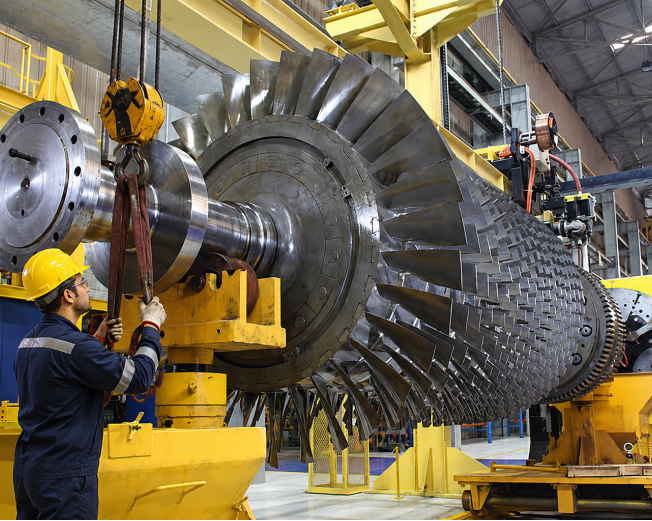
Imagine a factory running heavy turbines. If the temperature suddenly rises:
Without an alarm system:
- The issue goes unnoticed.
- The machine gets damaged
- Production stops
With an alarm monitoring module:
- Instant alert is triggered.
- Engineers take quick action.
- Damage is prevented
This simple difference can save thousands in repair costs.
Future of Alarm Systems in Manufacturing
Alarm systems are becoming smarter with technology.
Future trends include:
- AI-based predictive alerts
- Remote monitoring via mobile apps
- Integration with IoT devices
- Automated response systems
These advancements will make manufacturing even safer and more efficient.
Conclusion
An alarm notification system is no longer optional in modern manufacturing; it’s a necessity. Whether it’s improving safety, reducing downtime, or saving costs, the benefits are clear.
Using reliable solutions like the 8001442 alarm module, industrial alarm module, and alarm monitoring module can transform how your operations run. And when needed, timely alarm module replacement ensures your system stays efficient and up to date.
Investing in the right alarm system today means fewer risks and better performance tomorrow.
FAQs
Q1. What is the purpose of an alarm notification system in manufacturing?
It helps detect issues in real time and alerts operators to take immediate action, improving safety and efficiency.
Q2. What is the 8001442 alarm module used for?
The 8001442 alarm module is used in industrial systems to provide reliable and fast alerts for critical operations.
Q3. How often should alarm modules be replaced?
It depends on usage, but you should consider alarm module replacement if the system becomes unreliable or outdated.
Q4. What is the difference between a fire alarm module unit and an industrial alarm module?
A fire alarm module unit focuses on fire detection, while an industrial alarm module monitors machine and operational issues.
Q5. Can alarm systems reduce manufacturing costs?
Yes, they help prevent breakdowns, reduce downtime, and improve efficiency, leading to significant cost savings.