
LM2500 Gas Turbine Maintenance Checklist for Maximum Performance
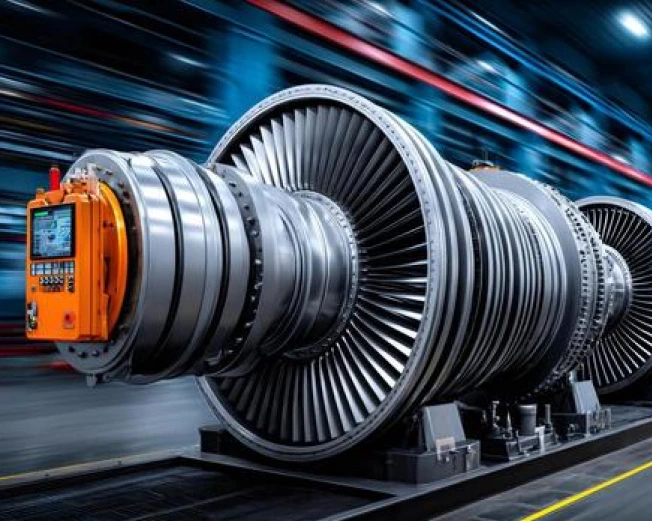
The LM2500 Gas Turbine is one of the most widely used aero-derivative gas turbine systems in the world today, known for its high efficiency, fast response, and reliable performance in demanding environments such as marine propulsion, offshore platforms, and industrial power plants. Because it operates under extreme temperature and pressure conditions, regular inspection and structured maintenance are essential to ensure long-term stability and maximum output
In modern industries, companies depend on trusted technical support and quality components to keep turbines running efficiently. Turbine Parts Specialist provides maintenance solutions, spare parts guidance, and technical support for GE TM LM2500 systems, helping operators reduce downtime and improve operational performance.
This blog explains a complete and easy-to-follow LM2500 Gas Turbine maintenance checklist, working principles, inspection intervals, and performance optimization strategies in simple language. It is especially useful for engineers working with industrial gas turbine systems and marine propulsion turbine systems.
What is the LM2500 Gas Turbine?
To begin with, the LM2500 Gas Turbine is an aero-derivative turbine, which means it is originally developed from aircraft engine technology. Because of this advanced design, it delivers high efficiency along with a compact structure and powerful output.
In addition to that, it is widely used in several critical applications, including:
- Marine propulsion systems
- Offshore oil and gas platforms
- Power generation plants
- Industrial mechanical drive systems
Moreover, one of the biggest advantages of the LM2500 is its ability to start quickly and respond to load changes efficiently. This makes it extremely valuable in industries where continuous and reliable power is essential.
Gas Turbine Working Principle
The LM2500 gas turbine working principle follows the Brayton cycle:
- Air enters the compressor.
- Air is compressed to high pressure.
- Fuel is injected, and combustion occurs.
- Hot gases expand through turbine blades.
- Mechanical energy is produced for power output.
This process makes it one of the most efficient industrial gas turbine systems used today.
LM2500 Gas Turbine Maintenance Checklist
Now let’s move to the most important part of this guide—the maintenance checklist. Since proper maintenance directly affects performance, it is very important to follow a structured approach.
1. Daily Inspection Checklist
To start with, daily inspection ensures that everything is running smoothly without unexpected issues.
| Lubrication system | Oil level and pressure | Keep within safe limits |
| Control system | Alarms and indicators | Check active warnings |
| Vibration system | Vibration readings | Identify unusual changes |
| Air intake system | Filter condition | Clean or inspect regularly |
| Exhaust system | Temperature levels | Ensure stable readings |
In short, daily checks help detect small issues before they become serious problems.
2. Weekly Maintenance Checklist
Moving further, weekly maintenance focuses on early performance monitoring.
- Inspect the compressor inlet for dust, salt, or blockage.
- Check the fuel system carefully for any leakage.
- Review the lubrication oil condition and cleanliness.
- Analyze vibration trend reports for any change.
- Inspect cooling system performance.
At this stage, even minor abnormalities should not be ignored, as they can affect long-term turbine health.
3. Monthly Maintenance Checklist
On a monthly basis, a deeper inspection is required to ensure stable performance.
- Clean external turbine surfaces and components
- Replace or clean air filters if needed.
- Inspect fuel nozzles for clogging or wear.
- Check the calibration of sensors and control systems.
- Perform lubrication oil analysis in detail.
Furthermore, this step helps maintain the efficiency of aero-derivative gas turbine systems over time.
4. Borescope Inspection (Every 4,000–8,000 Hours)
In addition to regular checks, borescope inspection is extremely important because it allows internal viewing without dismantling the turbine.
| Compressor blades | Dirt, erosion, corrosion |
| Combustor liner | Heat cracks or damage |
| Turbine blades | Thermal fatigue signs |
| Nozzles | Wear and deformation |
Because internal components operate under extreme stress, Turbine Parts Specialist strongly recommends regular borescope inspections to avoid unexpected failures.
5. Hot Gas Path Inspection (HGPI)
After long operating hours (around 20,000–25,000 hours), HGPI becomes necessary.
During this process:
- The combustion chamber is carefully inspected.
- Turbine blades are checked and replaced if needed.
- Seals and nozzles are examined.
- Cooling passages are cleaned and tested.
Overall, HGPI ensures that the LM2500 Gas Turbine continues to operate safely and efficiently under heavy loads.
6. Major Overhaul (After 50,000+ Hours)
Eventually, a complete overhaul is required for long-term reliability.
| Compressor | Full cleaning and inspection |
| Turbine section | Blade replacement and repair |
| Bearings | Replacement and alignment |
| Control system | Full recalibration |
| Fuel system | Complete servicing |
At this stage, support from a Turbine Parts Specialist becomes very important because proper spare parts and technical guidance ensure smooth restoration.
Performance Optimization Tips
To further improve performance and efficiency, here are some practical tips:
Keep Air Intake Clean
First of all, clean air ensures better combustion and higher efficiency.
Use Quality Fuel
Similarly, good fuel reduces wear and improves turbine life.
Monitor Vibration Regularly
In addition, vibration trends help detect early mechanical issues.
Perform Oil Analysis
This helps in identifying contamination before damage occurs.
Use Compressor Washing
Especially in marine environments, this helps restore lost efficiency.
LM2500 Turbine Applications
The LM2500 turbine applications are widely used across industries:
- Marine propulsion turbine systems
- Offshore oil & gas platforms
- Power generation plants
- Industrial drive systems
- Combined cycle plants
Its versatility makes it a leading choice in industrial gas turbine systems worldwide.
Maintenance Interval Summary Table
| Inspection Type | Interval | Purpose |
| Daily Check | Daily | Operational safety |
| Minor Inspection | 4,000–8,000 hrs | Early fault detection |
| Borescope Inspection | 4,000–8,000 hrs | Internal condition check |
| HGPI | 20,000–25,000 hrs | Hot section maintenance |
| Major Overhaul | 50,000+ hrs | Full turbine restoration |
Role of Turbine Parts Specialist
Turbine Parts Specialist plays an important role in supporting LM2500 operators by providing:
- Genuine and compatible LM2500 spare parts
- Maintenance planning support
- Technical troubleshooting assistance
- Turbine performance optimization guidance
- Lifecycle maintenance solutions
This ensures that GE TM LM2500 systems continue operating safely and efficiently in critical industries.
Conclusion
In conclusion, the LM2500 Gas Turbine maintenance checklist is essential for ensuring safe, efficient, and long-lasting performance. Since this turbine is used in critical sectors like marine propulsion and power generation, even a small maintenance delay can lead to serious operational issues.
However, by following a structured maintenance routine starting from daily checks and moving up to major overhauls operators can significantly improve reliability and performance.
Finally, with expert support from Turbine Parts Specialist, industries can maintain their LM2500 systems in optimal condition and ensure smooth operations for years.
FAQs
Q1. What is the LM2500 Gas Turbine used for?
It is used in marine propulsion, offshore platforms, and industrial power generation systems.
Q2. What type of turbine is LM2500?
It is an aero-derivative gas turbine derived from aircraft engine technology.
Q3. What is the maintenance interval for LM2500?
Minor inspection every 4,000–8,000 hours, HGPI at 20,000–25,000 hours, and major overhaul after 50,000+ hours.
Q4. Why is the Turbine Parts Specialist important for LM2500 systems?
They provide spare parts, maintenance support, and technical guidance for GE TM LM2500 turbines.
Q5. What is the biggest cause of LM2500 performance loss?
Dirty air intake, poor fuel quality, and lack of regular maintenance.
Q6. Is LM2500 suitable for marine use?
Yes, it is widely used in marine propulsion turbine systems due to its reliability and power output.