
The Importance of 20820 Boot Expansion Fabric in Gas Turbine Systems
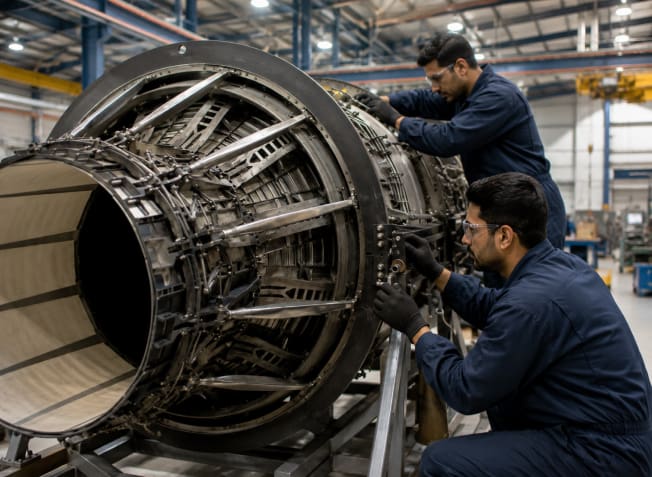
The 20820 Boot Expansion Fabric is important in gas turbine systems because it provides flexibility between connected components while helping accommodate thermal expansion, vibration, and movement. By reducing stress on rigid connections, a properly fitted expansion fabric boot supports reliable turbine operation and helps prevent premature component wear. Regular inspection and timely replacement are therefore important parts of effective turbine maintenance.
What Is 20820 Boot Expansion Fabric?
The 20820 Boot Expansion Fabric is a flexible component used in gas turbine systems to accommodate movement between connected sections. Gas turbines operate under high temperatures, pressure changes, and continuous vibration. As a result, connected components naturally expand, contract, and move during different operating conditions.
A rigid connection may not handle this movement well. Instead, the fabric boot provides the flexibility needed between components. It also helps reduce mechanical stress that could otherwise transfer to nearby parts.
What Is the Function of an Expansion Fabric Boot?
The main expansion fabric boot function is to absorb movement and help protect connected components from excessive stress.
Its key functions include:
- Accommodating thermal expansion and contraction
- Managing vibration and mechanical movement
- Reducing stress at connection points
- Allowing flexibility during operating cycles
- Supporting reliable system connections
- Helping protect surrounding components from unnecessary loads
For example, when a turbine heats up during operation, metal components expand. The fabric boot can flex with this movement instead of forcing rigid components to absorb the resulting stress.
Why Is a Gas Turbine Expansion Boot Important?
1. It Handles Thermal Expansion
Gas turbines experience major temperature changes during startup, operation, and shutdown. These temperature changes cause connected metal components to expand and contract.
A gas turbine expansion boot provides the flexibility required to accommodate this movement. As a result, it can help reduce stress on connected parts.
2. It Helps Manage Vibration
Some vibration is expected during gas turbine operation. However, constant movement can place additional stress on joints, ducts, and connected components.
Because the expansion boot is flexible, it can accommodate some of this movement. In turn, this helps limit unnecessary stress being transferred through rigid connections.
3. It Supports Reliable Operation
A boot that is worn, torn, or damaged may no longer perform as intended. For instance, frayed fabric, damaged seams, excessive heat exposure, or loose connections can affect its flexibility and may contribute to leakage or additional wear.
That’s why checking the boot during scheduled maintenance can be a simple but valuable step.
What Are the Benefits of 20820 Fabric Expansion Boot?
Using the correct 20820 fabric expansion boot can provide several practical benefits:
| Benefit | Importance |
| Thermal flexibility | Accommodates expansion and contraction |
| Vibration absorption | Helps manage operating movement |
| Stress reduction | Protects connected components |
| System flexibility | Allows controlled component movement |
| Maintenance support | Helps prevent unexpected problems |
However, these benefits depend on selecting the correct part and ensuring it suits the specific turbine application.
How Should You Inspect an Expansion Fabric Boot?
Regular inspection can help identify deterioration before it becomes a larger maintenance issue. Technicians should check for:
- Cracks, tears, or holes
- Frayed or damaged seams
- Excessive heat exposure
- Abrasion or rubbing
- Loose attachment points
- Loss of flexibility
- Signs of leakage
If you find significant damage, evaluate the component and replace it according to applicable maintenance requirements.
How Do You Choose the Right 20820 Boot?
Choosing the right expansion boot requires more than checking its appearance. Before ordering a replacement, verify important details such as:
- Turbine model and application
- Part number
- Dimensions
- Material construction
- Temperature requirements
- Pressure conditions
- Expected movement
- Mounting and connection requirements
For example, components that look similar may have different material specifications or operating capabilities. Accurate part identification helps ensure the replacement performs as intended.
Why Choose the Right Turbine Maintenance Parts?
Gas turbines operate in demanding environments, so every maintenance component needs to be suitable for its intended application. An incorrectly specified part may not provide the required flexibility, temperature resistance, or fit.
At Turbine Parts Specialist, we understand that maintenance teams need reliable access to suitable turbine maintenance parts. Our GE LM6000 resources are designed to help operators and maintenance professionals identify components according to their specific requirements.
In addition, having the right parts available can make planned maintenance more straightforward and help reduce avoidable delays.
Final Words
The 20820 Boot Expansion Fabric may be a flexible component, but it plays an important role in a gas turbine system. By accommodating thermal movement and vibration, it helps reduce stress on connected parts and supports reliable operation.
Proper inspection and accurate part selection can help maintenance teams avoid unnecessary downtime and equipment problems. If you need 20820 fabric expansion boot components or other turbine maintenance parts, Turbine Parts Specialist can help you find the right solution for your GE LM6000 application.
People Also Ask
Q1: What does a gas turbine expansion boot do?
It provides flexibility between connected components and accommodates thermal expansion, contraction, vibration, and mechanical movement.
Q2: Why is 20820 Boot Expansion Fabric important?
It helps reduce stress caused by thermal movement and vibration, supporting the reliability of connected turbine components.
Q3: When should an expansion fabric boot be replaced?
Replacement may be necessary when there are visible tears, cracking, fraying, heat damage, severe wear, leakage, or loss of flexibility.
Q4: How often should an expansion boot be inspected?
Inspection frequency depends on the turbine model, operating conditions, and manufacturer’s maintenance recommendations. Also check it if you notice unusual vibration or leakage.