
Why 8001441 Manual Pull Is Essential for Your Turbine Systems
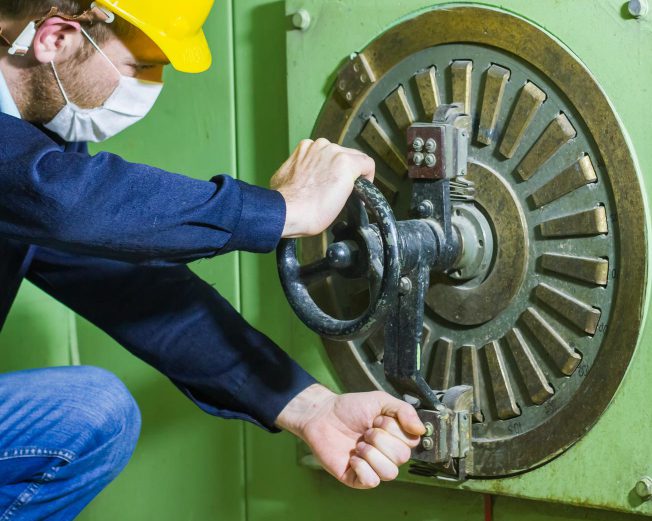
When it comes to turbine systems, seamless operation is about more than simply performance; it’s also about safety, dependability, and comfort. The 8001441 Manual Pull is one part that is frequently disregarded but is essential to emergency preparedness.
Although it can appear to be a straightforward component, your complete shutdown system could be jeopardized if it is not. Today, we’ll break down what it does, why you need it, and how to make sure you’re using the right one.
And don’t worry — no heavy engineering jargon here. Just clear, practical insight you can use right away.
What Is the 8001441 Manual Pull?
The 8001441 Manual Pull is a safety feature that, in the event that an automatic system malfunctions, enables operators to manually stop a turbine.
Consider it analogous to a building’s fire extinguisher. When things go wrong, it turns into the most useful tool in the room, even though you hope you never use it.
In situations like these, the manual pull provides human operators direct control rather than depending just on automated shutdown methods.
- Sudden pressure build-up
- Sensor failure
- Fuel system malfunction
- Unexpected vibrations or overheating
It’s not just a backup — it’s your failsafe.
Why Turbine Operators Can’t Afford to Ignore It
You’ve probably heard the phrase: “One small oversight can lead to a big disaster.” In turbine systems, this couldn’t be more accurate.
Here’s why the 8001441 Manual Pull is essential:
1. It Provides Instant Shutdown Control
Automation is great — until it isn’t. Sensors fail. Software glitches. Alarms don’t always catch real-time dangers. When every second counts, pulling a manual lever is often faster than waiting for electronics to react.
2. It Meets Safety Compliance Standards
Most industrial turbine systems are legally required to include manual shutdown options. Without a reliable pull mechanism like the 8001441, you could face compliance issues or even shutdowns during inspections.
3. It Protects Expensive Equipment
A delayed shutdown can lead to full-blown turbine failure. That means damage to rotors, bearings, or fuel systems — repairs that cost way more than installing the right manual pull.
4. It Builds Operator Confidence
A well-trained operator feels safer knowing they have direct control if things escalate. Confidence leads to better decision-making — and fewer accidents.
Signs Your Manual Pull Needs Replacement
Even if your current shutdown system “seems fine,” it’s worth inspecting. A worn-out manual pull can silently fail when you need it most.
Watch for these warning signs:
- Rust or corrosion on the pull cable or housing
- Loose or hard-to-pull mechanism
- Delayed response during testing
- Outdated part with no maintenance record
If any of these sound familiar, it’s time for a replacement.
Where to Get a Reliable 8001441 Manual Pull
Not all replacement parts are created equal. Buying cheap knockoffs might save a few bucks upfront — but what happens if they fail during an emergency?
This is where Turbine Parts Specialist LLC comes in.
They supply high-quality OEM and aftermarket turbine parts, including the 8001441 Manual Pull, built to meet strict performance and safety standards. Whether you’re running LM2500, LM6000, or similar turbine models, they’ll match you with the exact part you need — no guesswork involved.
Installation Tips for Maximum Performance
Replacing a manual pull isn’t just about swapping parts. To ensure it works when needed, keep these best practices in mind:
- Follow manufacturer guidelines closely — torque and alignment matter.
- Test the mechanism immediately after installation.
- Schedule periodic pull tests — at least quarterly.
- Train operators on emergency use — don’t assume they know.
- Record the installation date for future maintenance tracking.
A well-installed pull is more than a component — it’s an insurance policy.
Final Thoughts — Don’t Let a Small Part Be Your Weak Link
Components that are silent in the background are easy to miss. However, safety is about every little thing functioning when it counts, not simply about large gear.
The 8001441 Manual Pull might be a simple device, but it carries enormous responsibility. It’s your backup, your fail-safe, and your final line of defense against turbine emergencies.
So ask yourself:
If an emergency happened right now — would your manual pull respond instantly?
If you’re not 100% confident, it’s time to act.
Take Control of Your Turbine Safety Today
Visit Turbine Parts Specialist LLC to get a trusted 8001441 Manual Pull for your system:
Don’t wait for failure—prepare for safety.
FAQs About the 8001441 Manual Pull
Is the 8001441 Manual Pull compatible with all turbine models?
Not always. It’s commonly used in GE LM series turbines (like LM2500), but compatibility should be confirmed with your supplier — Turbine Parts Specialist LLC can verify this for you.
How often should the manual pull be tested?
Ideally once a quarter. But if your system runs in harsh conditions or high vibration environments, test monthly.
What happens if the pull mechanism fails during a test?
Do not attempt operation until it’s replaced. A failing manual pull is a major safety risk and should be treated as a maintenance emergency.
Can I install it myself?
Only if you’re qualified and familiar with turbine shutdown systems. Otherwise, hire an experienced technician — this isn’t a part you want to guess on.
How long does an 8001441 Manual Pull typically last?
With proper care, several years. But lifespan depends on environmental conditions, frequency of use, and maintenance.