
The Role of the 10013635 ROLL DIAPHRAGM in Gas Turbine Pressure Control Systems
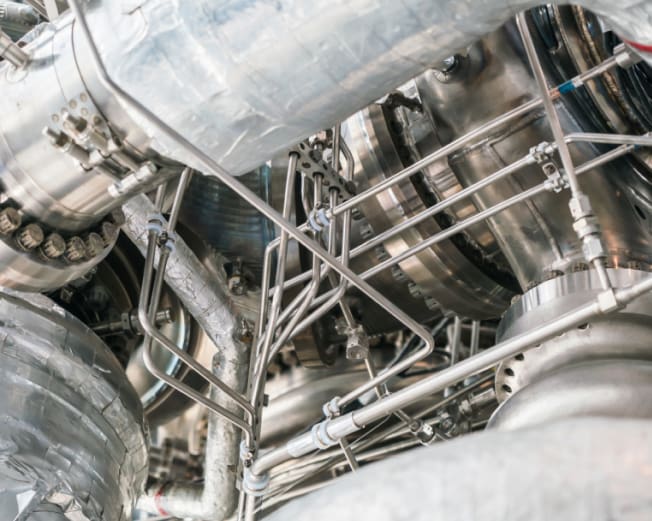
In the world of gas turbines, indeed the lowest factors can play a massive part in overall performance. One similar obscure idol is the 10013635 ROLL DIAPHRAGM. While it might not sound like the most instigative piece of an outfit, this compact yet pivotal part ensures that your turbine runs safely, efficiently, and easily.
Think of it like this if the turbine were a mortal body, the roll diaphragm would be the part that helps regulate “ blood pressure. ” Without it, the system could lose balance, causing insecurity, inefficiency, and implicit damage.
So, what exactly does the 10013635 ROLL DIAPHRAGM do, and why is it so important for gas turbine pressure control systems? Let’s break it down in plain, easy- to- understand terms.
Understanding the Basics: What Is a Roll Diaphragm?
Before diving into part figures and systems, let’s get familiar with the conception itself.
A roll diaphragm is a flexible, pressure-sensitive membrane that responds to press changes inside a turbine’s control system. It helps maintain the right balance between air and energy pressure — a critical factor for stable turbine operation.
You can think of it as a shock absorber for pressure oscillations. When the pressure rises or falls, the diaphragm flexes to acclimate, helping the system stay within safe and effective limits.
Now, the 10013635 ROLL DIAPHRAGM is specifically designed for certain GE LM2500 and LM6000 turbine models, among others. These turbines are known for their high performance in both artificial and marine operations which means their corridor must be dependable under violent conditions.
The Role of the 10013635 ROLL DIAPHRAGM in Pressure Control
So, how does this small part fit into the big picture of a gas turbine’s operation?
Then there’s the simple interpretation: the 10013635 ROLL DIAPHRAGM acts as a pressure controller inside the control system.
When gas turbines operate, they calculate on precise air and energy rates. Indeed a slight imbalance can affect effectiveness or beget mechanical strain. The diaphragm responds to variations in pressure by moving — nearly like a flexible seal that expands and contracts grounded on system demands.
This movement helps:
- Maintain steady pressure situations within control faucets
- Help leaks or overpressure situations
- Ameliorate response time of the turbine’s pressure regulation system
- Enhance safety by keeping pressure within safe operating limits
Without this diaphragm, pressure control faucets could bear aimlessly, leading to uneven combustion, vibration, or indeed damage to other turbine factors.
Why the 10013635 Model Matters
Not all diaphragms are made the same. The 10013635 ROLL DIAPHRAGM stands out for its perfection engineering, durable accoutrements , and comity with demanding turbine surroundings.
That’s what makes it unique:
- High- temperature resistance Designed to repel the violent heat of turbine operations.
- Durable elastomer construction Ensures long- lasting inflexibility without cracking or losing shape.
- Tight sealing capability Prevents air or gas leaks that could disrupt pressure balance.
- Reliable response time Moves easily and snappily to acclimatize to rapid-fire pressure changes.
In short, it’s erected to last and perform — rates that count deeply when you’re dealing with million- bone turbine systems that ca n’t go time-out.
The Connection Between Diaphragms and Efficiency
It might be surprising, but the 10013635 ROLL DIAPHRAGM contributes directly to turbine effectiveness.
That’s how:
When pressure is stable, energy burns more unevenly. That means:
- Better combustion performance
- Reduced emigration
- Lower energy consumption
- Lower wear and tear and gash on mechanical corridor
So, by maintaining pressure balance, this small diaphragm helps ameliorate the overall affair and lifetime of your turbine.
It’s a classic example of how attention to detail — indeed in the lowest corridor — can lead to significant performance earnings.
Signs Your Diaphragm Might Need Replacement
Like any mechanical element, the roll diaphragm does n’t last ever. Over time, heat, vibration, and pressure cycles can beget wear and tear.
You might need to replace your 10013635 ROLL DIAPHRAGM if you notice:
- Pressure oscillations or insecurity
- Slower system response
- Increased vibration or noise from control faucets
- Visible cracks, gashes, or hardening of the diaphragm material
Regular conservation checks are crucial. Replacing a worn diaphragm before failure can save thousands in form costs and help unplanned time-out.
Simple Maintenance Tips
Keeping your diaphragm in good shape does n’t bear anything fancy. Then there are many practical tips:
- Check regularly Check for signs of fatigue, cracks, or material hardening.
- Use OEM corridor Always replace with genuine 10013635 ROLL DIAPHRAGM units for stylish comity and performance.
- Keep pressure systems clean Dirt and debris can beget gratuitous strain on diaphragm movement.
- Document reserves Track installation dates and operating hours to plan timely reserves.
A visionary approach to diaphragm conservation ensures long- term trustability and safety.
Conclusion: Small Component, Major Role
The 10013635 ROLL DIAPHRAGM may be small, but it’s a foundation of dependable turbine operation. By maintaining precise pressure control, it helps your gas turbine perform at its stylish — efficiently, safely, and constantly.
Still, keeping your diaphragms in top condition is n’t just smart conservation it’s smart business, If you’re running GE LM2500 or LM6000 turbines.Looking for OEM- quality 10013635 ROLL DIAPHRAGM reserves?
ContactTurbine Parts Specialist now to get genuine, high- performance corridor you can trust.
Question Box
Q1: What’s the main purpose of the 10013635 ROLL DIAPHRAGM?
It regulates pressure within gas turbine control systems to maintain stable and effective performance.
Q2: Can I use a general diaphragm rather of the 10013635 model?
It’s not recommended. The 10013635 is specifically designed for certain turbine models, icing proper fit and function.
Q3: How frequently should it be replaced?
Relief intervals vary depending on operation and conditions, but regular examination during conservation cycles is advised.
Q4: What happens if the diaphragm fails?
A damaged diaphragm can beget pressure imbalance, hamstrung combustion, and implicit mechanical failures.
Q5: Is it hard to replace?
Not generally. It’s a fairly simple part to replace during listed turbine conservation by a good technician.