
Common Issues with the 006824-002 Sensor, Gas and How to Fix Them
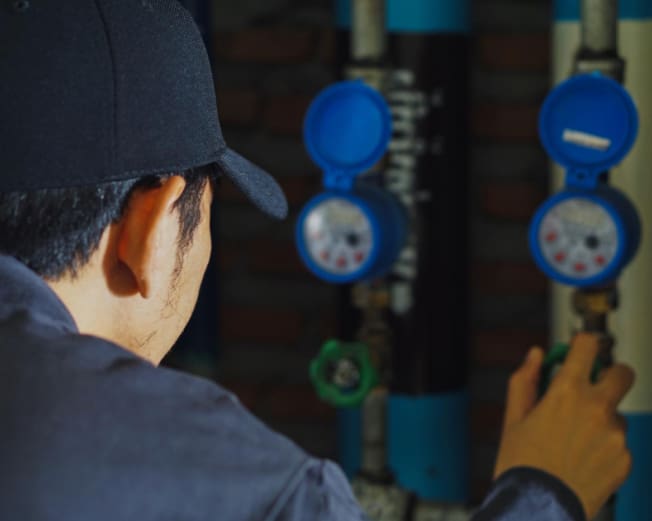
Still, you know how important detectors are to keeping your system running efficiently, If you work with gas turbines. One of the most dependable factors in this setup is the 006824-002 Sensor, Gas— designed to cover gas inflow and pressure to insure the turbine performs easily.
But like any part that works under constant heat, pressure, and vibration, indeed this reliable detector can develop issues over time. When that happens, you might see inaccurate readings, performance dips, or indeed unanticipated shutdowns.
This blog will explore the most common problems with the 006824-002 Sensor, Gas, how to fete them beforehand, and practical ways to fix them. Let’s make it simple and easy to understand — indeed if you’re not an mastermind.
What the 006824-002 Sensor (Gas) Does
Think of this detector as your turbine’s “ sense of touch. ” It constantly measures gas pressure or inflow and sends that data to the control system, helping your turbine stay balanced.
When the detector works rightly, combustion stays stable, emigrations stay low, and energy effectiveness stays high. But when it goes out- track, you might face:
- Erratic gas readings
- Poor combustion control
- Reduced turbine performance
- Unforeseen admonitions or shutdowns
That’s why knowing what can go wrong and what to do about it is so precious.
Common Problems with the 006824-002 Sensor (Gas)
1. Contamination or Debris Build-Up
Turbine surroundings can be harsh. Over time, small patches, oil painting residue, or dust can collect on the detector face, affecting its capability to descry gas directly.
Symptoms:
- Inconsistent or drifting readings
- Effectiveness drop without clear cause
- Signal insecurity
How to Fix:
Clean the detector precisely with a fur-free cloth and a mild, approved detergent. Avoid using high- pressure air or sharp tools they can damage the delicate detector membrane.
2. Electrical Connection Issues
Occasionally the issue is n’t with the detector itself but with its wiring or connectors. A loose or corroded connection can intrude on the signal going to your turbine control system.
Watch for:
- Unforeseen loss of signal
- Fault canons on the control panel
- Unreliable detector data
Result:
Check the electrical connections. Clean off erosion using a contact cleanser and strain any loose fittings. Replace damaged cables to restore harmonious communication.
3. Sensor Drift
Over long use, the detector can start giving slightly incorrect readings — a problem known as “ drift. ” This frequently happens due to dragged exposure to high temperatures or vibration.
Common signs:
- Gradational performance decline
- Data that does n’t align with factual gas inflow
- Inaccurate air- energy rate
Fix
Recalibrate the detector using your system’s estimation setup or follow the manufacturer’s procedure. However, relief might be the most dependable option, If recalibration does n’t work.
4. Mechanical Damage
Physical damage can be during conservation or due to vibration stress over time. Indeed a minor crack or impact can beget the detector to fail.
Symptoms:
- No readings or total failure
- Visible physical damage
- Unforeseen shutdowns
Fix
Replace the detector. Mechanical damage ca n’t be repaired effectively and could compromise safety or delicacy if ignored.
5. Temperature Fluctuations
The 006824-002 Sensor, Gas, operates stylishly within a certain temperature range. Extreme heat or cold waves can beget expansion and compression that impacts performance.
Signs:
- Delayed detector response
- Shifting data or unforeseen drops
Result
Ensure proper sequestration around the detector. In extreme surroundings, use a thermal guard or consider an upgraded detector model that tolerates advanced temperature swings.
How to help These Problems
Most of these issues are avoidable with routine conservation and care. Then there are a many practical tips from Turbine Parts Specialists, your trusted source for high- quality turbine factors and reserves:
- Check Regularly – Schedule regular examinations for dust, oil painting, or erosion.
- Set Up Constantly – Follow recommended estimation intervals to keep readings accurate.
- Use OEM-Quality Parts – Always use genuine parts like the 006824-002 Sensor, Gas for reliable performance.
- Store duly – Keep spare detectors in a clean, temperature-controlled terrain.
- Handle with Care—Train your conservation platoon on safe running to avoid accidental damage.
When to Replace the 006824- 002 Sensor
Still, recalibrated and checked all wiring but your readings still feel off — it’s time for a relief, If you’ve gutted. Detectors naturally wear down due to constant exposure to heat, vibration, and pressure.
Replacing a defective detector before it fully fails helps you avoid unforeseen time-out and expensive turbine damage.
At Turbine Parts Specialists, you’ll find genuine, high- performance 006824-002 Sensor, Gas built to meet the exact norms of GE LM6000 systems.
FAQs About the 006824- 002 Detector (Gas)
Then there are a many common questions technicians and turbine drivers frequently ask about this detector:
How frequently should I replace the 006824- 002 Gas Detector?
It depends on your turbine’s workload and operating terrain. On average, detectors should be checked every 6 – 12 months and replaced every 2 – 3 times, or sooner if estimation fails.
Can I clean the detector myself?
Yes, as long as you use the correct cleaning system. Gently wipe it with a fur-free cloth and an approved detergent. Avoid strong chemicals or high-pressure air that might damage the seeing element.
What causes inaccurate readings?
Impurities, electrical faults, or detector drift are the main causes. Regular estimation and examinations can catch these problems beforehand.
How do I know if my detector is failing?
Still, advanced energy use, or unanticipated admonitions, If you see shifting or unresponsive readings. Testing it against a known standard can confirm the issue.
Is it safe to operate the turbine with a defective gas detector?
Not recommended. A defective gas detector can lead to incorrect combustion control, risking damage to your turbine or reduced effectiveness. Always fix or replace the detector instantly.
Where can I get a dependable relief for the 006824- 002 Detector (Gas)?
You can find authentic reserves and expert support at Turbine Parts Specialists. They offer genuine OEM-quality part specifically designed for GE LM6000 turbines and other models.