
658406 Plug Fuel Filling: Sealing Technology for Turbine Fuel Ports
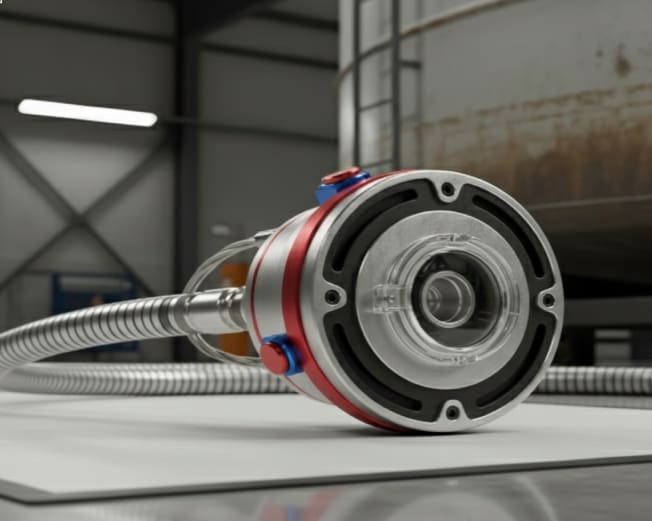
Turbine systems rely on safety and precision. Just one weak spot can lower performance, increase maintenance costs, or create safety hazards. The 658406 Plug Fuel Filling is a small part that helps prevent these problems.
This plug might seem ordinary, but it is essential for keeping turbine fuel systems sealed, protected, and efficient. If you work in aviation, power generation, or industrial machinery, understanding how this plug works and why its sealing matters can help you make better decisions and avoid expensive mistakes.
Here’s a simple overview of this important component.
Understanding the Role of the 658406 Plug Fuel Filling
The 658406 Plug Fuel Filling seals fuel-filling ports in turbine systems. After refueling or maintenance, it securely closes the fuel access point to keep fuel inside the system.
The 658406 plug from Turbine Parts Specialist is different from regular plugs because it must handle:
- High internal pressure
- Extreme temperatures
- Continuous vibration
- Exposure to aggressive fuels
Because turbines operate in harsh conditions, the plug must remain secure and not loosen, crack, or leak over time.
Why Turbine Fuel Port Sealing Is So Important
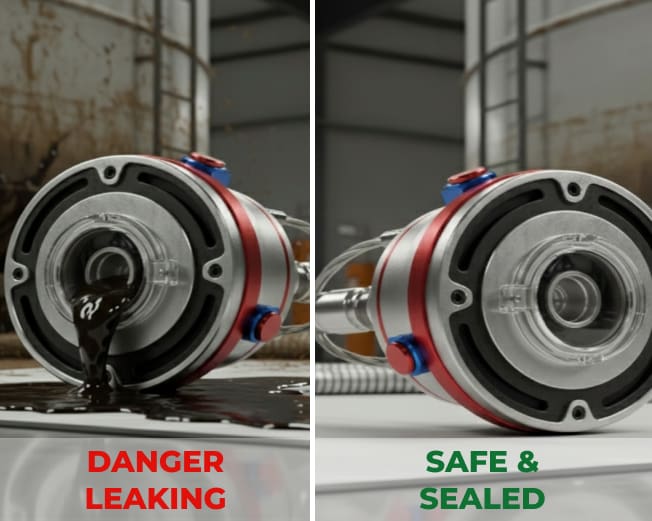
Fuel ports are among the most sensitive components of a turbine system. If there is a problem here, it can lead to signs such as fuel leaks. And a proper sealing is helpful for:
- Maintaining fuel pressure
- Preventing fuel evaporation or spills
- Protecting internal components
- Ensuring safe operation
The 658406 Plug Fuel Filling is designed to address these challenges and provides a reliable seal where standard plugs may not.
Advanced Sealing Technology Behind the 658406 Plug Fuel Filling
Sealing technology does more than just block an opening; it creates a long-lasting, leakproof seal even under constant stress.
Key sealing features include:
- Precision-machined threads
- These features ensure a tight, accurate fit and help prevent loosening during vibration.
- Fuel-resistant sealing elements
- Pressure-stable design
- Vibration resistance
- This is important in turbine environments where constant movement is common.
All these features work together to prevent leaks, protect the system, and maintain steady performance.
Materials That Make a Difference
Choosing the right materials is very important for fuel system parts. The 658406 Plug Fuel Filling is usually made from strong metals or advanced alloys, along with tough sealing compounds.
Benefits of these materials include:
- High resistance to corrosion
- Excellent performance at extreme temperatures
- Long service life
- Minimal wear over time
These materials help the plug last longer, even in tough working conditions.
Installation: Simple but Precise
Installing the 658406 Plug Fuel Filling is simple, but it’s important to be precise. Proper installation gives the best seal and helps avoid problems later.
Installation best practices:
- Clean the fuel port thoroughly.
- Inspect the plug and seal before fitting.
- Align threads carefully to avoid cross-threading
- Tighten according to the manufacturer’s torque specifications.
- Perform a final leak check.
Important Tip: If installed correctly, the plug gives a secure seal and needs little maintenance.
Maintenance and Inspection Tips
The 658406 Plug Fuel Filling is made to last, but regular inspection is still important, especially in critical systems like turbines.
Recommended maintenance steps:
- Inspect during scheduled servicing.
- Look for wear, cracks, or seal damage.
- Replace seals if signs of degradation appear.
- Ensure threads remain clean and undamaged.
Regular maintenance helps the plug last longer and prevents unexpected system failures.
Key Benefits of Using the 658406 Plug Fuel Filling
Choosing the right fuel filling plug does more than just seal the system. The 658406 Plug Fuel Filling helps improve both safety and performance.
Major advantages include:
- Reduced risk of fuel leaks
- Improved system reliability
- Enhanced operational safety
- Lower maintenance and downtime costs
- Consistent sealing under extreme conditions
These benefits make it a trusted choice in industries where reliability is a must.
Common Applications Across Industries
The 658406 Plug Fuel Filling is used anywhere turbine fuel systems need a reliable seal.
Common applications include:
- Aircraft turbine engines
- Power generation turbines
- Industrial fuel storage systems
- High-performance mechanical equipment
Because it is versatile and durable, it works well for both aviation and heavy industry.
Why Quality Matters in Fuel Filling Plugs
It is a fact that selecting a low-quality or poorly designed plug might save money at first, but it often leads to higher costs later. Fuel leaks, damaged parts, and unexpected downtime can quickly cost more than any initial savings.
The 658406 Plug Fuel Filling offers:
- Proven sealing performance
- Long-term reliability
- Compliance with demanding system requirements
In critical fuel systems, quality is not optional. It is essential.
Final Thoughts: A Small Component With a Big Impact
The 658406 Plug Fuel Filling is a small part, but it plays a big role in turbine fuel systems. Its advanced sealing technology, robust materials, and reliable performance help protect equipment, enhance safety, and keep operations running efficiently.
In places where precision is important, choosing the right fuel filling plug can make a big difference.
Take the next step
If you want to make your fuel system safer and more reliable, consider investing in a high-quality 658406 Plug Fuel Filling. This simple upgrade gives you long-term peace of mind and dependable performance.
The Question Box
What is the main purpose of the 658406 Plug Fuel Filling?
Its primary purpose is to securely seal turbine fuel filling ports and prevent leaks or contamination.
Can the 658406 Plug Fuel Filling be reused?
Yes, it can be reused if it’s properly inspected and the sealing elements remain in good condition.
Is it suitable for high-temperature environments?
Yes. It’s designed to withstand extreme temperatures commonly found in turbine systems.
How often should the plug be checked?
It should be inspected during routine maintenance or scheduled servicing intervals.
What happens if a fuel port seal fails?
Seal failure can lead to fuel leakage, reduced efficiency, safety risks, and potential system damage.