
Technical Guide to 692208 Hose L10 for Gas Turbines
When we think about gas and steam turbines, we often imagine large rotating machines, powerful blades, and complex control systems. But behind all that visible engineering, there are smaller components doing critical work every single day. One such component is the 692208 Hose L10.
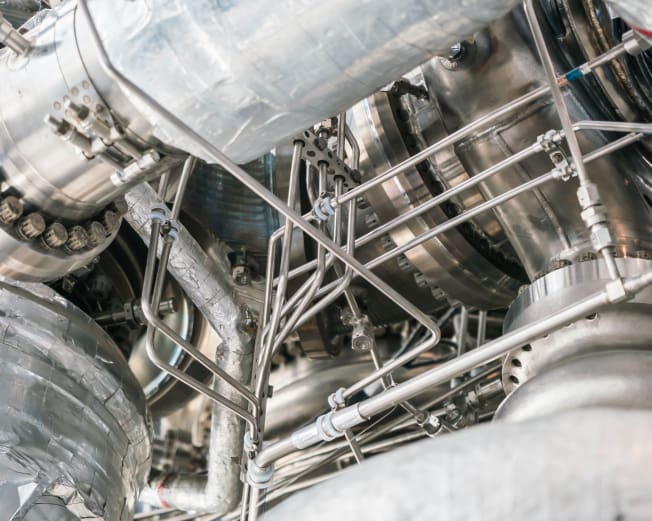
At first glance, a hose might seem like a minor part of a turbine system. However, in high-temperature, high-pressure environments such as gas turbines, hoses play a vital role in keeping everything running safely and smoothly. A single hose failure can lead to leaks, downtime, safety risks, and costly repairs.
This guide will help you understand the 692208 Hose L10 in a clear and practical way. It covers what the hose is, why it is important, where it is used, and how to maintain it—useful for engineers, technicians, managers, or anyone new to turbine systems.
What Is the 692208 Hose L10?
The 692208 Hose L10 is a specialized hose for gas turbine systems. It is built to handle tough conditions such as:
- High temperatures
- High pressure
- Continuous vibration
- Exposure to steam, fuel, oil, or hydraulic fluids
The “L10” label usually means a certain length, setup, or lifespan, based on the turbine maker’s requirements. This hose is often used in original equipment manufacturer (OEM) turbine assemblies, where accuracy, durability, and safety are key.
The 692208 Hose L10 is made specifically for turbine use, unlike regular industrial hoses. In turbines, even small hose problems can impact the whole system’s efficiency.
Why the 692208 Hose L10 Is Important in Turbine Systems
In addition, in gas turbines, hoses convey fluids essential to key functions. The 692208 Hose L10 helps ensure:
- Stable fluid flow
- Proper cooling and lubrication
- Safe pressure management
- Reduced vibration-related damage
Since turbines run nonstop in tough conditions, this hose needs to work reliably without cracking, leaking, or wearing out. If it fails, it can cause unexpected shutdowns, higher maintenance costs, and safety risks.
Common Applications of the 692208 Hose L10
The 692208 Hose L10 is used in different parts of gas and steam turbine systems, such as:
1. Cooling Systems
Turbines produce a lot of heat. This hose carries cooling fluids or steam to keep temperatures in check and prevent overheating.
2. Fuel and Oil Transfer
Next, in gas turbines, hoses like the 692208 L10 deliver fuel or oil to different parts, helping the system run smoothly and reducing friction.
3. Steam Handling
In steam turbines, this hose can be part of systems that control steam flow, handle condensate, or manage pressure.
4. Hydraulic Support Systems
A key point here is… that some turbines use hydraulic pressure for valves and controls, so dependable hoses are important in these systems.
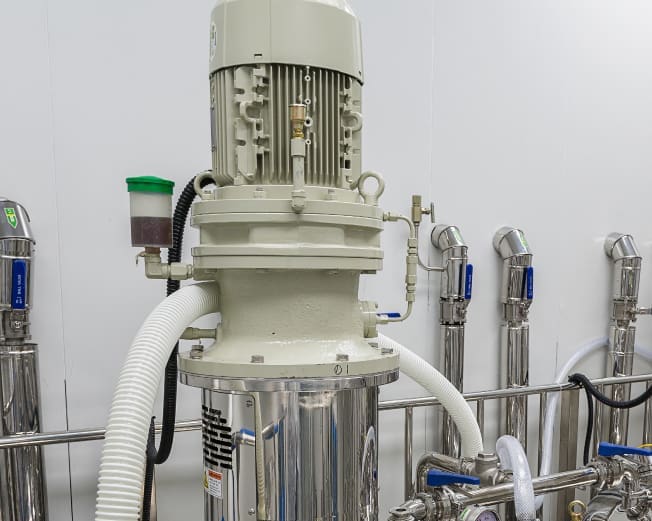
Construction and Material Design
Another thing to consider is that the 692208 Hose L10 is durable due to its advanced design.
While details vary by manufacturer, most hoses like this include:
- Inner Tube: Resistant to high-temperature fluids, steam, or oils
- Reinforcement Layer: Braided or spiral-wound metal or synthetic fibers to handle pressure and vibration
- Outer Cover: Heat-resistant and abrasion-resistant material for protection in harsh environments
To put it simply, this multi-layer design helps the hose handle heat changes, pressure swings, and constant mechanical stress.
Temperature and Pressure Performance
A key reason for using the 692208 Hose L10 in turbines is its strong performance in extreme conditions.
- High Temperature Resistance: Suitable for both hot steam and heated fluids
- Pressure Stability: Designed to maintain integrity even during pressure spikes
- Vibration Tolerance: Engineered to handle constant turbine movement
Experts note that using the wrong type of hose in these conditions can lead to early failure. That’s why this specific hose is recommended.
Installation Best Practices
A trusted partner like Turbine Parts Specialist LLC, always advises that good installation is as important as choosing the right hose. When installing the 692208 Hose L10, follow these tips:
- Avoid sharp bends or kinks.
- Ensure correct alignment with fittings.
- Do not overtighten connections.
- Allow for thermal expansion.
- Secure the hose to minimize vibration stress.
If the hose is installed incorrectly, it may not last as long, and the system could become less reliable.
Maintenance and Inspection Guidelines
Regular inspections help avoid sudden failures. Maintenance teams should check the 692208 Hose L10 for:
- Cracks or surface damage
- Bulging or soft spots
- Leaks at connection points
- Signs of heat degradation
- Excessive vibration wear
Changing the hose at the recommended times can help prevent expensive downtime and make the system safer.
OEM vs Aftermarket Considerations
Additionally, when looking for the 692208 Hose L10, you’ll find both OEM and aftermarket options. OEM hoses match turbine specs exactly, while good aftermarket hoses can save money.
Key factors to consider include:
- Material compatibility
- Temperature and pressure ratings
- Manufacturer certifications
- Proven performance in turbine environments
Always check that the hose meets or goes beyond the original specs before installing it.
Safety and Compliance
Safety is vital in turbine work. The 692208 Hose L10 helps meet industry standards by:
- Reducing leak risks
- Supporting pressure containment
- Enhancing system reliability
- Protecting nearby components and personnel
Using the right hose helps you stay in line with turbine safety and engineering standards.
Final Thoughts
The 692208 Hose L10 might not stand out in a gas turbine, but it is essential. It manages hot fluids, keeps pressure steady, and helps keep the system safe, all of which support turbine performance and reliability.
Knowing what this hose does, how it is built, and how to care for it helps operators make better choices, cut downtime, and boost system efficiency. When selected, installed, and maintained correctly, the 692208 Hose L10 is a reliable part of any turbine system.
FAQS
Is the 692208 Hose L10 a standard hose or a custom turbine part?
The 692208 Hose L10 is not a general-purpose hose. It is made specifically for turbines, with exact dimensions, materials, and pressure ratings for gas and steam turbine systems. This sets it apart from standard industrial hoses.
How do I confirm if the 692208 Hose L10 is the correct hose for my turbine model?
Always check the hose by using:
- The turbine’s OEM parts manual
- The original part number reference
- Manufacturer or supplier technical documentation
Important Tip: Installing the wrong hose, even if it looks the same, can lead to compatibility and safety problems.
What are the early warning signs that the 692208 Hose L10 needs replacement?
Before you see leaks, watch for these common warning signs:
- A noticeable drop in system pressure
- Unusual vibrations or noise
- A burnt or hardened outer hose surface
- Frequent tightening is needed at fittings
Spotting these signs early can help you avoid turbine downtime.
Can the 692208 Hose L10 be reused after removal?
Usually, it’s best not to reuse the hose. After removal, the seals and inner layers might be damaged. For critical turbine applications, replacing the hose keeps the system safe and operating well.
Does the 692208 Hose L10 require special storage conditions?
Yes. Storing the hose correctly can make it last longer:
- Store in a cool, dry place
- Avoid direct sunlight or heat sources.
- Keep away from chemicals or sharp objects.
- If the hose is not stored well, it can become weak before you even install it.
Is professional installation necessary for the 692208 Hose L10?
Trained maintenance teams can install the hose, but it is best to use professional or turbine-certified technicians. If the hose is routed, tightened, or aligned incorrectly, it may not last as long or could fail.