
What Is a Gas Detector? Working, Benefits & Industrial Applications
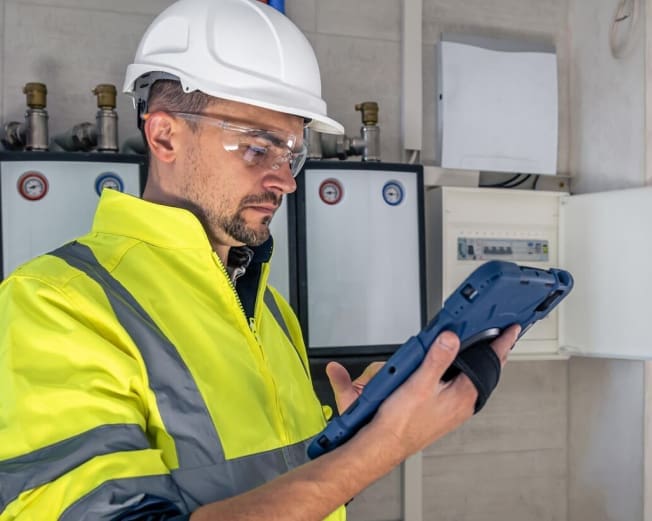
Gas leaks are one of those invisible risks that can quickly turn dangerous if left undetected. Whether it’s a factory floor, an oil refinery, or even a confined workspace, the presence of harmful or combustible gases can threaten both safety and operations. That’s where gas detectors come in.
In simple terms, a gas detector is a device that detects the presence of gases in an area and alerts users before levels become hazardous. From simple portable units to advanced fixed systems like the 006607-018 Detector, these tools play a critical role in modern industrial safety.
In this blog, we’ll break down what gas detectors are, how they work, their benefits, and where they are used, all in a simple, easy-to-understand way.
What Is a Gas Detector?
A gas detector is a safety device that senses and measures gas concentrations in the air. It can detect different types of gases, including:
- Combustible gases (like methane)
- Toxic gases (like carbon monoxide or hydrogen sulfide)
- Oxygen level changes
When gas levels exceed a safe limit, the detector triggers an alarm that could be a sound, a light, or even automatic system shutdowns in industrial setups.
In addition, modern systems often include a gas transmitter or a gas transmitter detector that continuously sends data to a central control system. This is especially common in large facilities where constant monitoring is essential.
How Does a Gas Detector Work?
While different types of gas detectors use different technologies, the basic working principle is quite straightforward:
- Sensing the Gas
The detector uses sensors to identify specific gases in the air.
- Measuring Concentration
It calculates the amount of gas present in parts per million (PPM) or percentage terms.
- Signal Transmission
In advanced systems, the industrial gas transmitter sends this data to a control panel.
- Alert System
If gas levels exceed safe thresholds, alarms are triggered to warn workers.
Types of Gas Detection Technologies
| Technology Type | How It Works | Common Use Case |
| Electrochemical | Chemical reaction generates electrical signal | Toxic gas detection |
| Infrared (IR) | Detects gas by measuring infrared absorption | Combustible gases |
| Catalytic Bead | Measures heat from gas combustion | Flammable gases |
| Semiconductor | Gas changes electrical resistance | General gas detection |
Types of Gas Detectors
1. Portable Gas Detectors
- Handheld devices
- Ideal for field inspections and confined spaces
- Easy to carry and use
2. Fixed Gas Detector Systems
- Installed permanently in industrial areas
- Includes a fixed gas detector transmitter
- Provides continuous monitoring
3. Gas Transmitter Systems
- Advanced systems that send real-time data.
- Often used with control rooms.
- Includes combustible gas transmitter and toxic gas detector transmitter.
Key Benefits of Gas Detectors
1. Improved Safety
The biggest advantage is obvious gas detectors help prevent accidents, explosions, and health hazards by detecting gases early.
2. Real-Time Monitoring
Next, with systems like a gas transmitter detector, industries get continuous updates on gas levels.
3. Regulatory Compliance
Many industries are required to install gas detection systems to meet safety regulations.
4. Reduced Downtime
Early detection prevents major incidents, which helps avoid costly shutdowns.
5. Worker Confidence
Employees feel safer knowing that proper monitoring systems are in place.
Industrial Applications of Gas Detectors
Gas detectors are widely used across various industries. Let’s look at where they make the most impact:
1. Oil and Gas Industry
- Detects leaks of methane and other hydrocarbons
- Prevents explosions and fires
2. Power Generation Plants
- Used alongside turbine systems like GE LM6000 setups
- Ensures safe operation of fuel systems
3. Chemical Manufacturing
- Monitors toxic gases
- Protects workers from harmful exposure
4. Mining Industry
- Detects oxygen deficiency and toxic gases underground
5. Wastewater Treatment
- Monitors gases like hydrogen sulfide
006607-018 Detector
The 006607-018 Detector is a well-known component in industrial environments, particularly in turbine-related applications. It is designed for reliability and accuracy in detecting the presence of gas, making it suitable for high-risk environments.
Therefore, when paired with a gas transmitter, it becomes part of a robust monitoring system that ensures safety and operational efficiency.
Gas Detector vs. Gas Transmitter: What’s the Difference?
| Feature | Gas Detector | Gas Transmitter |
| Function | Detects gas presence | Sends gas data to control systems |
| Usage | Standalone or system-based | Part of a larger monitoring system |
| Output | Alarm or reading | Continuous signal output |
| Application | Small to large setups | Mainly industrial environments |
Choosing the Right Gas Detector
Selecting the right gas detection system depends on several factors:
- Type of gas you need to detect
- Environment (indoor, outdoor, confined space)
- Required sensitivity level
- Whether you need a fixed gas detector transmitter or a portable unit
- Integration with existing systems
For industrial setups, combining a gas transmitter detector with a centralized monitoring system is often the best approach.
Why Gas Detection Matters More Than Ever
With increasing industrialization and stricter safety standards, gas detection is no longer optional; it’s essential. Whether you’re running a power plant, managing a manufacturing unit, or working with turbine systems like those found at Turbine Parts Specialist, investing in reliable detection systems can make all the difference.
Frequently Asked Questions
What is the main purpose of a gas detector?
A gas detector is used to identify harmful or combustible gases in the air and alert users before levels become dangerous.
What is a gas transmitter?
A gas transmitter is a device that sends gas concentration data from the detector to a control system for continuous monitoring.
Where are gas detectors commonly used?
They are used in industries like oil and gas, power plants, chemical manufacturing, mining, and wastewater treatment.
What is the difference between a portable and a fixed gas detector?
Portable detectors are handheld and used for temporary monitoring, while fixed detectors are permanently installed for continuous monitoring.
What gases can be detected?
Gas detectors can identify a wide range of gases, including methane, carbon monoxide, hydrogen sulfide, and oxygen levels.
Why is the 006607-018 Detector important?
The 006607-018 Detector is widely used in industrial applications for accurate and reliable gas detection, especially in turbine systems.