
Why VQST1946-210 Clutch O-Rings Fail: Top Causes and Proven Solutions
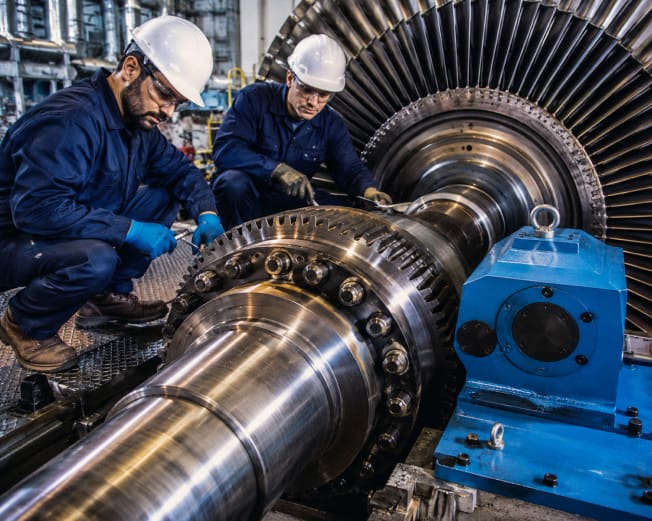
The VQST1946-210 O-RING, FOR CLUTCH is a small yet essential component in industrial clutch systems, especially in high-performance environments such as turbines. While it may seem insignificant compared to larger mechanical parts, its role in sealing and maintaining pressure is critical for system efficiency and safety.
However, many industries face repeated failures of the VQST1946-210 clutch O-ring, leading to unexpected downtime, costly repairs, and reduced equipment lifespan. These failures are rarely random; they are often caused by identifiable issues such as improper installation, harsh operating conditions, or lack of maintenance.
In this detailed guide, we will explore the most common reasons why industrial clutch O-ring failures occur and share proven, practical solutions. By understanding these factors, you can improve performance, reduce risks, and ensure long-term reliability.
What is a VQST1946-210 Clutch O-Ring?
The VQST1946-210 O-RING FOR CLUTCH is a sealing ring used inside clutch systems. Its main job is to stop leaks and keep pressure stable.
What it does:
- Seals gaps between parts
- Stops fluid or air from leaking
- Helps the clutch work smoothly
- Keeps dirt and dust out
Even though it is small, if it fails, the whole system can be affected.
Common Causes of O-Ring Failure
Let’s look at the most common reasons why a VQST1946-210 clutch O-ring fails.
1. Wrong Installation
Many O-rings fail simply because they are not installed the right way.
Common mistakes:
- Twisting the O-ring
- Stretching it too much
- Using sharp tools
- Not using lubrication
What happens:
The O-ring gets damaged and cannot seal properly, which leads to leaks.
2. Heat and Chemical Damage
O-rings work in tough conditions. Over time, heat and chemicals can damage them.
| Factor | Effect on O-Ring |
| High heat | Cracks or hard surface |
| Chemicals | Swelling or weakening |
| Old age | Loss of flexibility |
When the O-ring becomes hard or weak, it stops working properly.
3. Too Much Pressure
Clutch systems often run under high pressure. If the pressure is too high, it can damage the O-ring.
Possible issues:
- O-ring gets pushed out of place
- It changes shape
- It breaks or fails
This is very common in heavy industrial use.
4. Lack of Maintenance
If you don’t check your O-rings regularly, small problems can turn into big ones.
What can happen:
- Dirt builds up
- Small cracks go unnoticed
- Damage gets worse over time
Following a simple O-ring inspection guide can help you catch problems early.
5. Using the Wrong Size
Not all O-rings are the same. Using the wrong size can cause problems right away.
| Size Issue | Result |
| Too small | Loose and leaking |
| Too big | Too tight and damaged |
Always make sure you are using the correct VQST1946-210 clutch O-ring.
6. Dirty or Harsh Environment
Dust, moisture, and dirt can also damage O-rings.
Examples:
- Dirt entering the system
- Water causing rust
- Poor cleaning practices
These conditions reduce the life of the O-ring.
Simple Solutions to Prevent O-Ring Failure
Now let’s talk about what you can do to avoid these problems.
1. Follow Proper O-Ring Installation Tips
Installing the O-ring correctly makes a big difference.
Easy tips to follow:
- Apply a little lubrication
- Don’t twist or stretch it
- Use proper tools
- Check the groove before fitting
These simple O-ring installation tips can help your O-ring last longer.
2. Use Good Quality O-Rings
Quality matters a lot. Cheap O-rings wear out faster.
At Turbine Parts Specialist, we provide strong and reliable industrial clutch O-ring solutions that are made for tough conditions.
3. Check O-Rings Regularly
Regular checks can save you from bigger problems later.
What to look for:
- Cracks or cuts
- Hard or stiff surface
- Flattened shape
- Dirt or buildup
A basic O-ring inspection guide is enough to keep things under control.
4. Keep Conditions Under Control
Try to keep your system running in a safe range.
Things to manage:
- Avoid sudden pressure changes
- Keep temperature stable
- Maintain a clean environment
This helps reduce stress on the O-ring.
5. Always Use the Right Size
Before installing, double-check the size and type.
| Check | Why it matters |
| Size | Proper sealing |
| Material | Handles heat and chemicals |
| Thickness | Better pressure control |
Using the correct VQST1946-210 O-RING, FOR CLUTCH ensures better performance.
6. Replace on Time
Don’t wait for the O-ring to completely fail.
Replace it if you see:
- Leaks
- Damage
- Reduced performance
Regular replacement is cheaper than major repairs.
Signs Your O-Ring Needs Replacement
Here are some easy signs to watch for:
- Fluid or air leaks
- Machine not working smoothly
- Strange noise or vibration
- Visible damage
If you notice any of these, change the VQST1946-210 clutch O-ring as soon as possible.
Why Choose a Turbine Parts Specialist?
When it comes to quality parts, choosing the right supplier is important.
Turbine Parts Specialist offers:
- High-quality products
- Reliable performance
- Industry experience
- Helpful customer support
We make sure every VQST1946-210 O-RING FOR CLUTCH is built to last.
Conclusion
The VQST1946-210 clutch O-ring may be small, but it is very important for your clutch system. Most failures happen because of simple mistakes like wrong installation, poor maintenance, or using the wrong size.
By following basic O-ring installation tips, checking regularly using an O-ring inspection guide, and choosing good quality products from Turbine Parts Specialist, you can avoid most problems.
Taking small steps today can help you prevent bigger issues tomorrow.
Frequently Asked Questions
Q1. What is the purpose of the VQST1946-210 clutch O-ring?
It ensures proper sealing in clutch systems, preventing leakage and maintaining pressure.
Q2. What are the most common causes of O-ring failure?
Improper installation, high pressure, material degradation, and poor maintenance are the main causes.
Q3. How often should I inspect my industrial clutch O-ring?
You should inspect it during regular maintenance cycles or after heavy usage.
Q4. Can I reuse a VQST1946-210 O-ring?
No, reusing O-rings is not recommended as they lose elasticity and may fail.
Q5. What are the best O-ring installation tips?
Lubricate before installation, avoid twisting, use proper tools, and ensure correct sizing.
Q6. How do I know if my O-ring is damaged?
Look for cracks, leaks, hardening, or deformation.
Q7. Why choose a Turbine Parts Specialist?
Because we provide durable, high-quality, and performance-tested O-ring solutions for industrial applications.