
How the 20285.11 Air/Oil Element Protects Critical Equipment
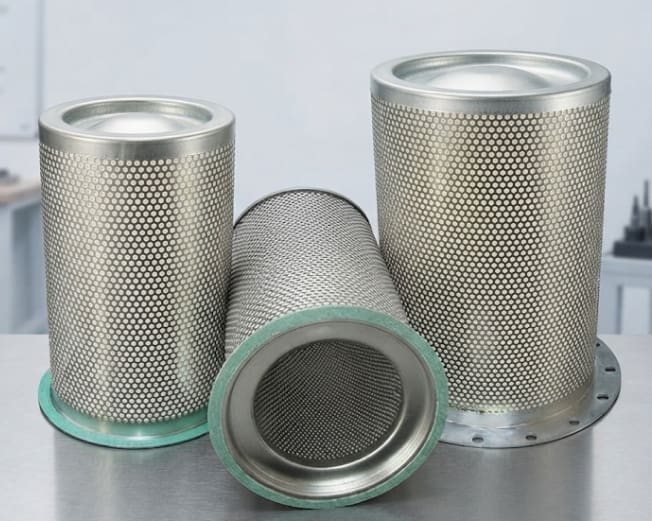
The 20285.11 ELEMENT, AIR / OIL, protects critical equipment by efficiently separating oil from compressed air, preventing contamination, reducing wear on internal components, and ensuring optimal system performance. It plays a vital role in maintaining clean airflow, improving efficiency, and extending the lifespan of turbines and compressors, especially in demanding environments like those supported by Turbine Parts Specialist.
What Is the 20285.11 Air/Oil Element?
The 20285.11 ELEMENT, AIR / OIL is a specialized filtration component designed for high-performance turbine and compressor systems. It is commonly used in industrial applications where air compression and oil lubrication work together.
In simple terms, this element removes oil from compressed air before that air moves further into the system. Without proper separation, oil particles would continue circulating, leading to contamination, reduced efficiency, and long-term equipment damage.
You may also hear this component referred to as:
- Air Oil Separator Element
- Air Oil Filter Element
- High Efficiency Air Oil Element
No matter what you call it, the goal remains the same keep the air clean, protect equipment, and ensure smooth operation.
Why Air/Oil Separation Matters in Critical Equipment
Now, let’s understand why this process is so important.
In systems like turbines and compressors, oil is used for lubrication, cooling, and sealing. However, during operation, oil naturally mixes with compressed air. If this mixture is not handled properly, it can create serious problems.
If this oil is not properly removed:
- It can damage downstream components.
- It reduces air quality.
- It increases maintenance costs.
- It lowers overall system efficiency.
That’s where a high-efficiency air-oil element like the 20285.11 becomes essential.
It ensures that:
- The air leaving the system is clean.
- Oil is recovered and reused.
- Equipment runs smoothly and safely.
How the 20285.11 Air/Oil Element Works
Let’s break it down in a simple, practical way.
Step-by-Step Process:
- Air and oil mixture enters the separator
First, during compression, oil mixes with air and enters the separator system.
- Filtration media captures oil particles.
Next, the element’s advanced filter layers trap tiny oil droplets from the airflow.
- Oil coalesces into larger droplets.
Then, these small droplets combine into larger ones, making them easier to remove.
- Oil drains back into the system.
After that, the collected oil is redirected back for reuse, improving efficiency.
- Clean air exits the system.
Finally, purified air continues through the system without contamination.
This process is continuous and happens at high speed, making the quality of the air oil separator element extremely important.
Key Benefits of the 20285.11 Air/Oil Element
1. Protects Critical Components
First and foremost, it prevents oil contamination from reaching sensitive parts like bearings, valves, and turbine blades.
2. Improves Equipment Efficiency
Since the air remains clean, the system runs more smoothly without unnecessary strain.
3. Extends Equipment Lifespan
Over time, reduced wear and tear lead to longer-lasting machinery, which means fewer replacements.
4. Reduces Maintenance Costs
Because the system stays cleaner, you’ll face fewer breakdowns and less frequent servicing.
5. Enhances Oil Recovery
At the same time, it helps recover and reuse oil efficiently, which reduces waste and operating costs.
Where Is the 20285.11 Air/Oil Element Used?
The 20285.11 air/oil element is commonly used in:
- Gas turbines (including LM6000 systems)
- Industrial air compressors
- Power generation equipment
- Oil & gas processing systems
- Heavy-duty mechanical systems
These environments demand reliability, and even a small filtration issue can lead to major downtime.
Signs Your Air Oil Filter Element Needs Replacement
Even a high-quality air oil filter element doesn’t last forever. Here are some common signs that indicate it’s time to replace it:
- Increased oil carryover in the system
- Drop in air pressure or overall efficiency.
- Rising operating temperatures
- More frequent maintenance issues
- Visible contamination in downstream parts
If you notice any of these, it’s best to act quickly. Replacing the element early can save you from costly repairs later.
Why High Efficiency Matters
Not all air/oil elements are created equal.
A high-efficiency air oil element like the 20285.11 offers:
- Better filtration accuracy
- Lower pressure drop
- Higher oil separation rates
- Improved system reliability
This is especially important in critical equipment where performance and uptime are non-negotiable.
How Turbine Parts Specialist Supports Your Equipment
At Turbine Parts Specialist, we understand how important every component is in maintaining system performance.
That’s exactly why we focus on:
- Providing high-quality parts like the 20285.11 ELEMENT, AIR / OIL
- Supporting turbine and compressor systems with reliable solutions
- Offering expertise for GE LM6000 applications
- Delivering components built for durability and long-term performance
In short, we help you minimize downtime, improve efficiency, and protect your equipment investment.
Best Practices for Maintaining Air/Oil Elements
To get the best performance from your air/oil separator element, it’s important to follow a few simple practices:
Regular Inspection
Check the element regularly to catch early signs of clogging or wear.
Timely Replacement
Instead of waiting for failure, replace the element based on usage and guidelines.
Use Quality Parts
Always choose reliable, high-performance components for consistent results.
Monitor System Performance
Keep an eye on pressure, temperature, and efficiency changes.
Common Mistakes to Avoid
Even with proper knowledge, some common mistakes can still happen. For example:
- Delaying replacement to save short-term costs
- Using low-quality or incompatible elements
- Ignoring early warning signs
- Skipping regular maintenance schedules
Over time, these small decisions can lead to bigger, more expensive problems.
Final Thoughts
All things considered, the 20285.11 air/oil element plays a much bigger role than it may seem. By ensuring proper air and oil separation, it keeps systems efficient, reduces wear, and helps prevent unexpected downtime.
So, when you invest in a high-quality air/oil separator element, you’re not just replacing a part; you’re protecting your entire system.
And with a Turbine Parts Specialist, you can move forward with confidence, knowing your equipment is supported by reliable solutions.
FAQs
Q1: What does an air-oil separator element do?
An air oil separator element removes oil from compressed air systems, ensuring clean airflow and preventing contamination in equipment.
Q2: How often should an air-oil filter element be replaced?
It depends on usage and operating conditions, but typically it should be checked regularly and replaced according to manufacturer guidelines or when performance drops.
Q3: Why is oil carryover a problem in compressors?
Oil carryover can damage downstream components, reduce efficiency, and increase maintenance costs, making proper separation essential.
Q4: What makes a high-efficiency air-oil element better?
It provides better filtration, lower pressure drop, improved oil separation, and longer service life compared to standard elements.
Q5: Can a clogged air-oil separator affect performance?
Yes, a clogged element can reduce airflow, increase pressure, cause overheating, and lead to system inefficiency or failure.
Q6: Is the 20285.11 element suitable for GE LM6000 systems?
Yes, the 20285.11 air/oil element is designed to support high-performance systems like those used in GE LM6000 applications.