
Why Hydraulic Hoses Fail: 10 Common Problems and Maintenance Tips
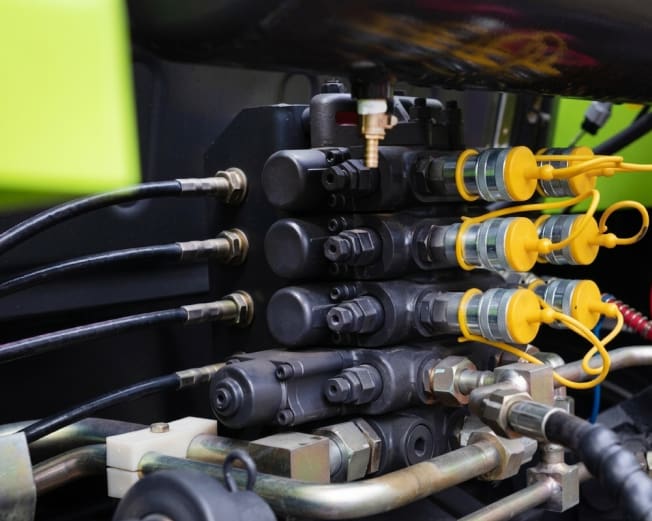
Hydraulic hoses are a key part of modern machines. No matter the industry, construction, oil & gas, manufacturing, or power generation, these hoses help keep everything moving. They carry high-pressure fluid that powers equipment, from small tools to large turbine systems.
But here’s the reality no matter how strong they are, hydraulic hoses don’t last forever. They work in tough conditions every day, dealing with high pressure, changing temperatures, and rough environments. Because of this, even a small issue can turn into a big problem if ignored. That can lead to machine downtime, safety risks, and expensive repairs.
This becomes even more important in high-performance systems like GE LM6000 turbines. When working with trusted suppliers like Turbine Parts Specialist, keeping your hydraulic hose assembly in good condition is essential for smooth and safe operations.
So, let’s break it down in a simple way. In this blog, we’ll look at the most common reasons 277222 Hose, hydraulic, fails and what you can do to prevent them.
Understanding Hydraulic Hose Systems
Before we talk about failures, let’s quickly understand how a hydraulic hose works.
A standard hydraulic hose assembly has three main layers:
Component | Function |
| Inner Tube | Carries hydraulic fluid safely |
| Reinforcement Layer | Handles high pressure |
| Outer Cover | Protects from outside damage |
All these parts work together to move fluid smoothly under pressure. That’s why they are such an important part of hydraulic system components.
10 Common Problems That Cause Hydraulic Hose Failure
Now, let’s go step by step and look at the most common issues.
1. Incorrect Hose Selection
First of all, choosing the wrong hose is one of the biggest mistakes people make. Not every hose is designed for the same job.
For example, if you use a normal hose in a high-pressure system, it won’t last long.
Tip: Always choose the right high-pressure hydraulic hose based on your system needs.
2. Excessive Pressure
Next, pressure is a major factor. Hydraulic systems often face sudden pressure spikes. Even strong options like the 277222 Hose can fail if the pressure goes beyond limits.
Over time, this can cause leaks or even bursting.
Tip: Use hoses with proper pressure ratings and install pressure control systems.
3. Improper Installation
Now let’s talk about installation. Even a good-quality hose can fail if it’s not installed properly.
Common mistakes include:
- Tight bends
- Twisting the hose
- Poor routing
Tip: Always install hoses carefully and follow proper guidelines.
4. Abrasion and External Damage
In many workplaces, hoses rub against surfaces or machinery. Over time, this causes wear and tear on the outer layer.
This is actually one of the most common problems in industrial hydraulic hose systems.
Tip: Use protective sleeves and secure hoses properly.
5. Extreme Temperatures
Temperature also affects hose performance a lot.
- High heat can cause cracks and hardening.
- Cold temperatures can make hoses brittle.
Tip: Choose hoses that match your working environment.
6. Fluid Contamination
Another hidden problem is dirty hydraulic fluid. Dust, moisture, or debris can damage the hose from the inside.
Tip: Keep the fluid clean and replace filters regularly.
7. Excessive Bending and Twisting
Every hose has a limit when it comes to bending. If you bend it too much, it puts stress on the inside.
Tip: Avoid sharp bends and give the hose enough space.
8. Chemical Exposure
Sometimes, the issue comes from using the wrong type of fluid. Certain chemicals can damage the hose material.
Tip: Always check fluid compatibility before use.
9. Aging and Environmental Factors
Even if everything is perfect, hoses still wear out over time.
Things like:
- Sunlight (UV rays)
- Weather conditions
- Ozone exposure
can weaken the hose.
Tip: Replace hoses before they fail completely.
10. Lack of Maintenance
Lastly, one of the biggest reasons for failure is simply ignoring maintenance.
Small cracks or leaks might not seem serious at first, but they can quickly turn into major issues.
Advice: The simplest way to prevent major issues and hydraulic hose replacement is to conduct routine inspections.
Quick Problem vs Solution Table
Here’s a quick summary for easy understanding:
| Problem | Solution |
| Wrong hose selection | Choose correct specifications |
| High pressure | Use rated high-pressure hydraulic hose |
| Abrasion | Use protective sleeves |
| Contamination | Maintain clean fluid |
| Improper installation | Follow proper routing |
| Aging | Replace hoses on time |
Why Hydraulic Hose Maintenance Matters
Now you might be thinking, why is maintenance so important?
Well, regular maintenance helps you
- Extend hose life
- Avoid unexpected downtime
- Improve safety
- Save money on repairs
This is especially critical in systems like GE LM6000 turbines, where even a small issue can affect the whole operation.
Simple Maintenance Checklist
Here’s a quick checklist you can follow:
✔ Check hoses for cracks or leaks
✔ Inspect fittings and connections
✔ Monitor pressure and temperature
✔ Replace damaged hoses immediately
✔ Keep hydraulic fluid clean
✔ Ensure proper installation
Following these steps can make a big difference.
When to Replace a Hydraulic Hose
Sometimes, repair is not enough, you need replacement.
Look for these signs:
- Visible cracks or leaks
- Hose becoming stiff
- Reduced performance
- Damaged outer layer
Replacing at the right time can save you from bigger problems later.
Role of Quality Parts
Using high-quality parts always makes a difference. Reliable components like the 277222 Hose are designed to handle tough conditions and last longer.
Trusted suppliers like Turbine Parts Specialist provide dependable solutions for industrial systems and turbine operations.
Visit us to learn more at Turbine Parts Specialist.
Final Thoughts
To sum it up, hydraulic hose failure is common, but in most cases, it’s preventable.
The main causes are usually simple:
- Wrong hose selection
- Too much pressure
- Poor installation
- Lack of maintenance
The good news is that with a little care and regular checks, you can avoid these problems.
If you want your system to run smoothly and avoid costly downtime, it’s always better to act early.
Contact us today for expert advice on choosing the right hydraulic hose.
Visit us to explore high-quality products for your industrial needs.
Frequently Asked Questions
Q1. What is the most common cause of hydraulic hose failure?
Abrasion and improper installation are the most common causes.
Q2. How often should hydraulic hoses be inspected?
They should be checked regularly, ideally during routine maintenance.
Q3. What is a hydraulic hose assembly?
It’s a complete system that includes the hose, fittings, and connectors.
Q4. When should I replace a hydraulic hose?
When you see cracks, leaks, stiffness, or reduced performance.
Q5. Why is fluid contamination dangerous?
It damages the hose from the inside and reduces efficiency.
Q6. Can high-pressure hydraulic hoses burst?
Yes, if pressure exceeds limits or the hose is damaged.
Q7. How can I extend that life?
Use proper installation, regular maintenance, and the right hose type.