
Why Regular Gas Turbine Maintenance Is Essential for Plant Reliability
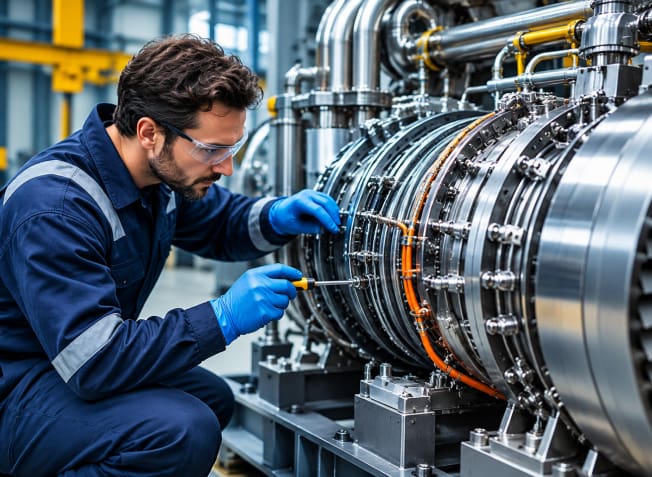
Gas turbines are important in power generation and industrial operations throughout the United States. However, even well-designed equipment needs regular inspection, timely repairs, and quality replacement parts to perform when called upon. Left alone, small problems can grow into unexpected shutdowns, expensive repairs and decreased efficiency.
The LM2500 gas turbine is used in power generation, mechanical drive systems and other demanding applications. Maintaining it in good shape allows plant operators to keep stable output, control operating costs and reduce unexpected downtime. In this blog, we will address the importance of regular maintenance, what components need attention, and how a planned maintenance approach can help to achieve long term reliability of a gas turbine.
Table of Contents
- Why Is Regular LM2500 Gas Turbine Maintenance Important?
- How Does Preventive Maintenance Reduce Unexpected Downtime?
- Which Gas Turbine Components Need Regular Inspection?
- How Does Maintenance Improve Efficiency and Reliability?
- How Can Plants Plan a Reliable Maintenance Schedule?
- Why Do Quality Replacement Parts Matter?
Why Is Regular LM2500 Gas Turbine Maintenance Important?
Although the LM2500 gas turbine is designed to survive in harsh operating environments, its performance is still a function of the condition of its components. Continuous operation means that internal components are exposed to high temperatures, mechanical stress, vibration and varying service conditions. Over time these factors can cause wear, deposits, corrosion or other damage.
With regular maintenance, you can catch things that are starting to go wrong before they affect the whole system. Having the right equipment on hand is vital, particularly for U.S. power plants and industrial sites during peak electricity demand or when continuous power supply is essential for operations. A well-maintained turbine can assist operators in planning outages, controlling repair costs and avoiding the risk of unexpected outages. Maintenance also allows the opportunity to review operating data to see if there are any abnormalities in performance and determine whether parts need to be cleaned, repaired or replaced.
How Does Preventive Maintenance Reduce Unexpected Downtime?
Preventive maintenance is checking and servicing equipment before a small problem becomes a big breakdown. The operators do not wait for a turbine to develop serious symptoms but rather operate to a planned schedule of hours of operation, start-stop cycles, the condition of the equipment and the manufacturer’s recommendations.
Maintenance for an LM2500 installation can include checking the lubrication systems, inspecting accessible components, monitoring vibration, reviewing operating temperatures, inspecting the compressor for deposits or damage. Regular inspection of components such as gas turbine compressor vanes and blades can detect fouling, erosion and other issues affecting airflow and turbine performance.
Condition monitoring and borescope inspections also allow inspection of internal components without completely disassembling the engine.
The intended approach has several advantages:
• Less unplanned downtime: Early detection enables teams to schedule repairs.
•Better outage planning: maintenance can be scheduled according to operational needs.
•Cost Control: Repairing wear that is caught early is less expensive.
• Improved maintenance decisions: Recorded inspections allow teams to visualize risks as they happen.
Maintenance intervals are to be determined by turbine model, operating environment, fuel, and approved service guidance. One schedule will not fit all installations.
Which Gas Turbine Components Need Regular Inspection?
The performance of a turbine is dependent on a number of factors and each has to be attended to as per its operating circumstances and maintenance needs.
Especially important are the gas turbine compressor components. The compressor takes in air and increases its pressure before combustion. Deposits, erosion or damage to the blades can reduce the air flow and hence the overall performance.
Other important aspects are:
• Visually inspect compressor blades and vanes: For deposits, erosion, corrosion and physical damage. Check the combustion system for uneven combustion, wear and cracks.
• Turbine blades and nozzles: Inspect for oxidation, degradation and heat damage.
• Lubrication system: Filters, oil condition, indications of contamination.
• Bearings and vibration systems: Listen for any unusual noise, temperature or vibration.
• Fuel and control systems: Check for any control problems, anomalies and leaks. The component decides how to inspect.
Further work may be decided after maintenance crews assess the state of the equipment through borescope inspections, oil analysis, vibration monitoring and visual checks.
How Does Maintenance Improve Efficiency and Reliability?
Regular servicing keeps the turbine’s airflow, combustion conditions and mechanical performance at levels that ensure its reliable operation. Compressor fouling can reduce airflow and contribute to reduced output. When deposits are to blame, proper cleaning of the compressor can help performance. Maintenance also helps to ensure gas turbine reliability by detecting abnormal vibration, lubrication problems, and indications of component deterioration before serious damage occurs.
In the USA, maintenance requirements for plants can be affected by temperature changes by season and dusty operating environments. In hot ambient conditions turbine output is affected and compressor fouling can occur due to airborne particles. Operators should consider these factors in their inspection planning and performance monitoring. Maintenance can never prevent all failures, but it can help to reduce avoidable risks and allow teams to make data-informed decisions about repairs, replacement parts and when to shut down.
How Can Plants Plan a Reliable Maintenance Schedule?
A practical maintenance plan is a combination of scheduled inspections and on-going condition monitoring. Plant operators need to look beyond the calendar. They should look at operating hours, start-stop cycles, fuel type, environmental conditions and manufacturer guidance. The LM2500 engine specifications provide maintenance teams with the ability to determine the proper equipment configuration and component replacement scheduling.
The original LM2500, LM2500+ and LM2500+G4 have different performance ratings and compressors. For example, the GE documentation noted a 16-stage high-pressure compressor on the original LM2500 and a 17-stage compressor on the LM2500+ and LM2500+G4. Actual performance is model and operating condition dependent
A simple maintenance framework can help teams organise routine activities.
| Maintenance activity | Purpose |
| Routine operating checks | Identify abnormal readings, leaks, and unusual noise |
| Vibration and oil monitoring | Detect potential mechanical or lubrication issues |
| Compressor inspections | Assess deposits, erosion, and blade condition |
| Borescope inspections | Examine accessible internal components |
| Scheduled major inspections | Assess component condition and plan required repairs |
This table is a planning guide, not a prescribed maintenance schedule. Follow the applicable manufacturer manuals and approved maintenance procedures.
Keeping clear records of inspection results, repairs, operating hours, and installed parts also helps teams recognise recurring problems and plan future outages more effectively.
Why Do Quality Replacement Parts Matter?
Poorly selected replacement parts for equipment can negate an otherwise well thought out maintenance program. Incorrect dimensions, wrong materials or an unverified part specification can lead to further hazards and cause delays in repairs. Check part number, model compatibility, technical documentation and applicable quality requirements when sourcing turbine parts. You should also consider lead times, especially if you are preparing for a planned outage or responding to an unplanned equipment issue. Turbine Parts Specialist – GE LM series gas turbines, LM2500 & LM6000 parts. The company is also available to field plant teams’ questions if available components are or are not right for their machinery needs.
Choosing the right replacement parts and ordering them in advance helps maintenance departments prepare for repairs and prevent delays that could have been avoided. Before you order, check with the supplier that the item is available, compatible and can be delivered.
Final Thoughts
Efficient and reliable operation of an LM2500 gas turbine demands its maintenance. Routine inspections, condition monitoring, timely repairs and compatible replacement parts can reduce unplanned downtime and support long term plant performance.
Choosing the right parts, together with a maintenance plan, can enable operators to make better decisions on how they care for their equipment. The Turbine Parts Specialist can assist plant teams with investigating parts options for supported turbine models. Are you ready to plan your next turbine maintenance activity? Visit Turbine Parts Specialist to see available parts and request information on your equipment.
FAQs
1. How frequently do you check an LM2500 gas turbine?
The frequency of an inspection is determined by the particular model, operating hours, start-stop cycles, fuel and service conditions. If operating data indicates a possible problem, change the checks and follow the manufacturer’s recommendations for maintenance.
2. What are the symptoms of common problems with gas turbines?
Warning signs are abnormal vibration; changes in exhaust temperature; loss of engine power; odd oil readings; increased fuel consumption and sudden noise. If any abnormal readings check immediately.
3. What is the need for gas turbine compressor components?
Combustion air is delivered by the blades and vanes of the compressor. Check and clean the turbine regularly to avoid reducing output and airflow.
4. Does preventive maintenance lower turbine costs?
Preventive maintenance can help with planning outages, reduce avoidable equipment damage and help to identify issues early. The real savings will depend on the condition of the turbine and the operational requirements and maintenance costs.
5. What is the performance of the gas turbine LM2500?
Performance may vary with ambient temperature, inlet air quality, compressor condition, fuel properties, component wear and the particular configuration of the turbine.
6. How to choose LM2500 turbine spare parts?
Check engine model, part number, serial number and approved technical data. Please check availability and supplier suitability prior to ordering.